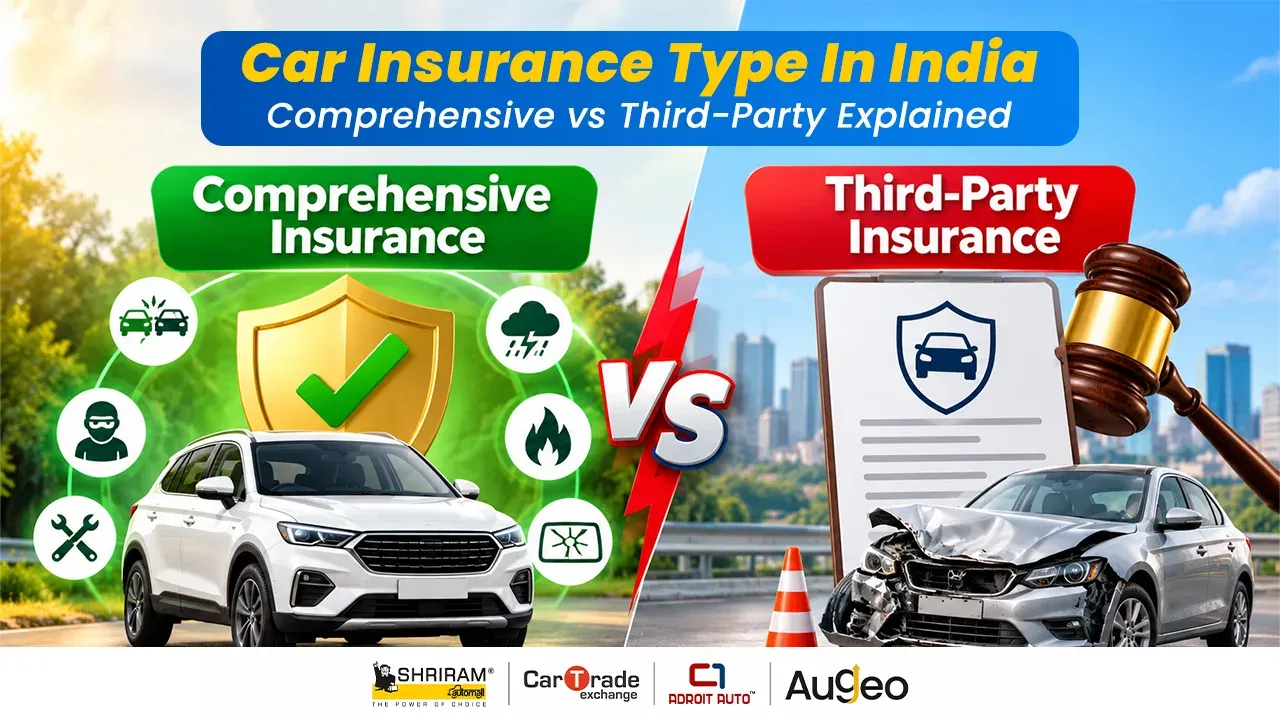
Buying a car gives you freedom, but it also comes with a lot of responsibility. It doesnt matter if you are driving a second-hand car or a brand-new one; having the right car insurance is essential for protecting your car and yourself from any unexpected expenses. The car insurance types in India are categorized into third-party car insurance, comprehensive car insurance, and standalone own-damage insurance. Comprehensive insurance offers broader protection by covering both third-party liabilities and damage to your car. Third-party car insurance is legally mandatory for using your car on public roads.
The question that arises is: which type of car insurance should you choose, and what should you consider when insuring a second-hand car and a new one? We will explain the types of car insurance in India and help you understand the factors to consider while choosing the right coverage for your vehicle.
What is Car Insurance
The financial protection policy that covers specific losses arising from accidents, theft, damage, or third-party liabilities is known as car insurance. Depending on the type of car insurance, you get cover for risks that are outlined in the policy. In India, having third-party liability insurance is mandatory for all vehicles under the Motor Vehicles Act, 1988. For any extra protection or coverage, you can go for comprehensive insurance or more.
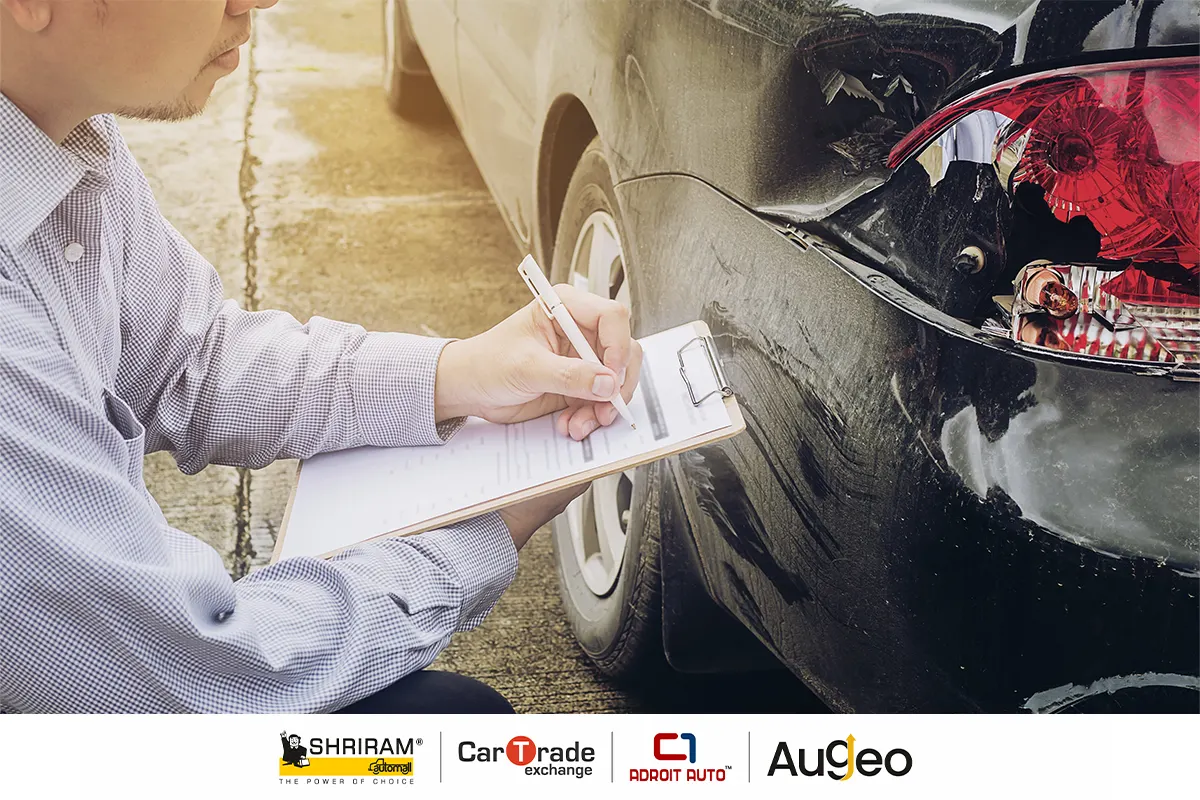
Third-party insurance covers liabilities arising from injury, death, or damage caused to another party, but it doesnt cover damage to your own car. On the other hand, a comprehensive policy combines third-party liability coverage with protection against specified damage to your own car. You can make informed decisions by having an understanding of these different types of car insurance.
Types of Car Insurance in India
In India, there are three main types of car insurance. You can choose what fits your needs based on your car and requirements. If you have the right car insurance, it gives you the right coverage for the safety of your vehicle.
Third-Party Car Insurance
The minimum insurance coverage legally required for vehicles in India comes under third-party insurance. You cannot drive your car on Indian roads without opting for third-party car insurance. You get protection against specific legal and financial liabilities arising from injury, death, or property damage caused to a third party due to the insured car.
Third-party insurance is suitable for car owners seeking the legally required minimum coverage. But owners should understand that they will generally have to bear the cost of repairing or replacing their own car if it's damaged or stolen.
Comprehensive Car Insurance
If you want broader coverage and protection, then you must go for comprehensive car insurance. It is a combination of third-party liability coverage with own-damage cover. This covers specified losses arising from accidents, theft, fire, natural disasters, and other insured events as per the policy terms of the insurance you choose. Comprehensive car insurance is a more extensive coverage option for people who want financial protection for their own car as well as third-party liability.
This insurance is relevant for new cars, expensive cars, and vehicles that are frequently used in areas where accidents, theft, or weather-related damage are concerns.
Standalone Own-Damage Car Insurance
The insurance that covers specified damage to your own car without including third-party liability coverage. The standalone own-damage car insurance is generally available to car owners who already have a valid third-party insurance policy. You get coverage for events such as accidents, fire, theft, and certain natural disasters, if applicable.
This type of insurance is the extent of coverage and covers specific damage to your own vehicle, along with valid third-party car insurance.
Comprehensive vs Third-Party Insurance
Feature | Third-Party Insurance | Comprehensive Insurance |
Third-party liability | Covered | Covered |
Damage to your own car | Not covered | Covered for insured events |
Vehicle theft | Not covered | Generally covered, subject to terms |
Accident-related damage to your car | Not covered | Covered, subject to terms |
Natural disaster damage to your car | Not covered | Generally covered, subject to terms |
Premium | Generally lower | Generally higher |
Legal requirement | Mandatory for vehicles used on public roads | Not mandatory |
How to Choose the Right Car Insurance Policy
You should know how to balance coverage, premium costs, and your individual requirements while selecting your car insurance policy. There are a few factors to consider before making a decision:
- Evaluate the value of your car
- Assess your driving habits
- Compare policy coverage
- Understand the claim process
- Review the insured declared value
- Consider your budget
Conclusion
If you have an understanding of the different types of car insurance in India, then you can choose the perfect coverage that aligns with your vehicle, budget, and driving requirements. Third-party insurance provides the minimum legally required liability coverage for vehicles used on public roads, while comprehensive insurance offers additional protection against specified damage to your own car. Standalone own-damage insurance is another option for vehicle owners who already have valid third-party coverage and want protection for their own vehicle.
Having the right insurance policy is very important, so choose wisely!
Frequently Asked Questions (FAQs)
1. What are the main types of car insurance in India?
The main types are third-party insurance, comprehensive insurance and standalone own-damage insurance.
2. Is third-party car insurance mandatory in India?
Yes, third-party liability insurance is mandatory for vehicles used on public roads in India.
3. What is the difference between comprehensive and third-party car insurance?
Third-party insurance covers specified liabilities towards others, while comprehensive insurance also covers specified damage to your own vehicle.
4. Which car insurance is suitable for a second-hand car?
The choice depends on the car's age, value, condition and usage. Comprehensive insurance offers broader protection, while third-party insurance provides the minimum required liability coverage.
 18001024141
 Download Our App