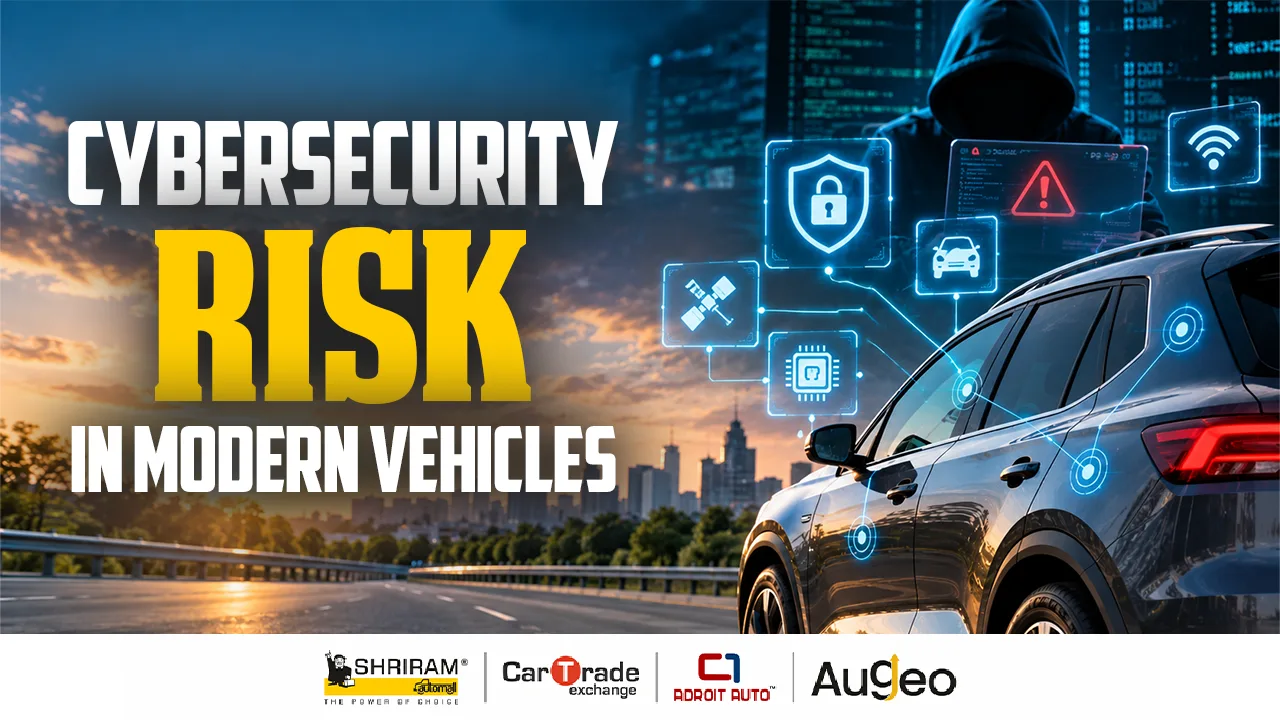
Modern vehicles come with digital displays, GPS navigation, Bluetooth connectivity, internet access, advanced driver assistance, and software-controlled components. They have so much more than just engines, which also increases cybersecurity risks in modern vehicles. But these technologies have surely made driving more convenient while improving several aspects of vehicle safety and performance. Several aspects of vehicle safety and performance have improved with these technologies, and driving has also been made more convenient. But they have also introduced new challenges, particularly in the area of cybersecurity.
Vehicles can face risks when they become more connected, including unauthorized access, data theft, software vulnerabilities, and attacks on connected systems. Vehicle owners, manufacturers, and fleet operators can be affected by these threats. If you have an understanding of these risks, you can protect your personal information, maintain vehicle security, and ensure the safe use of connected automotive technologies.
Lets explore the cybersecurity risks in modern vehicles and how cyberattacks can occur, what the potential impacts on drivers and businesses are, and how you can secure your vehicles.
What is Vehicle Cybersecurity
Vehicle cybersecurity refers to the technologies, practices, and safeguards used to protect vehicles and their digital systems from unauthorized access, manipulation, and cyberattacks. Many modern vehicles come with multiple electronic units, sensors, communication systems, and software applications that manage different functions.
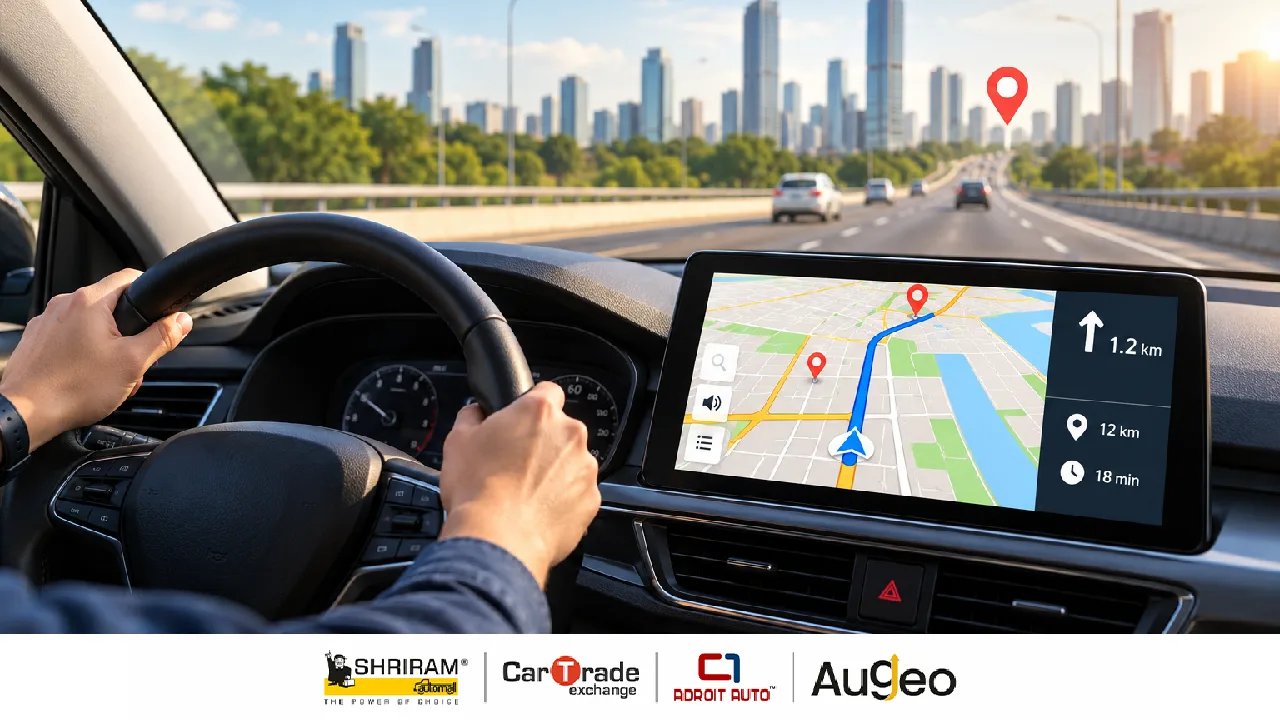
These systems control and support features such as the engine, powertrain, braking, steering assistance, infotainment, navigation, Bluetooth, smartphone connectivity, remote vehicle access, driver assistance systems, electric vehicle battery monitoring, and telematics.
When the vehicles exchange information with external devices and cloud-based platforms, their potential exposure to cybersecurity threats also increases. Vehicle cybersecurity aims to protect these systems and make sure that all functions remain safe and available.
Cybersecurity Risks in Modern Vehicles
Many entry points can be exploited in a modern vehicle if security controls are inadequate. The risk levels depend on the vehicles design, software, connectivity, and security measures. Let us look at some of the major cybersecurity risks in modern vehicles:
Hacking of Vehicle Systems
Wireless communication and digital systems that are present in connected vehicles contain various vulnerabilities. They have features such as remote locking, navigation, vehicle tracking, and smartphone integration. Attackers can attempt to gain unauthorized access to vehicle functions or connected services. Any system that gets compromised could affect vehicle data and safety-related functions. Hence, it should be ensured by the manufacturers that vehicle systems are designed with security protections that cannot be compromised easily.
Bluetooth and Wi-Fi Connectivity Risk
Smartphones can easily get connected to vehicles with Bluetooth and Wi-Fi to use wireless services effortlessly. But an insecure connection or software vulnerabilities can expose the vehicle to cyber threats. These risks can occur while using unfamiliar devices, using outdated software, and granting unnecessary permissions to applications.
GPS Tracking and Location Data
GPS technology for navigation is used in many modern vehicles with tracking and location-based services. These features improve convenience and location data but also reveal sensitive information about the owners movements and routines. The privacy settings of connected cars must be reviewed by the vehicle owner, and access to location data must be limited.
Infotainment Systems
The infotainment systems of connected cars provide navigation, music, calling, and smartphone connectivity using an interface. These systems interact with external devices, and software vulnerabilities can create opportunities for unauthorized access. Manufacturers should ensure that infotainment systems are appropriately separated from safety-critical vehicle networks.
Over-the-Air Software Update
OTA, or over-the-air, updates let manufacturers deliver software improvements without calling the vehicle to a workshop. This improves functionality, addresses bugs, and fixes security vulnerabilities in the vehicles. But insecure update systems can create risks if the integrity of the software is not protected properly. Hence, a secure update process should be used without compromising vehicle safety.
Cyberattacks on Electric Vehicles
EVs, or Electric vehicles, rely solely on software-controlled battery management systems, charging interfaces, and connected applications. People can gain unauthorized access to the vehicle's charging accounts, along with other vulnerabilities in battery-related electronic systems. Electric mobility is expanding in India, and hence protecting these vehicles and their charging infrastructure is crucial.
Effects of Cybersecurity Threats on Vehicles
Cybersecurity risks in vehicles are not only a technical issue but also a financial and operational one. It can have serious security implications for modern vehicles. Let us see how it can affect vehicle owners and businesses:
Risk | Potential Impact |
Data theft | Exposure of personal and vehicle data |
Unauthorised access | Misuse of vehicle functions |
Location tracking | Privacy and safety risks |
Software compromise | Vehicle system malfunctions |
Fleet disruption | Delays and business losses |
Recovery and repairs | Extra costs and downtime |
Conclusion
Cybersecurity risks in modern vehicles are an important concern as the automobile industry is becoming more connected and software-driven. There are infotainment vulnerabilities and location exposure in electric vehicle systems, which can threaten the security of a vehicle significantly. These risks can be reduced by designing a secure vehicle, having reliable software updates, and implementing strong access controls. Vehicle owners can keep their connected vehicles safe by using trusted services and keeping the software updated. Manufacturers and fleet owners should always prioritize cybersecurity throughout the vehicle lifetime. Vehicles in India are becoming smarter and more connected, and so cybersecurity will be essential in making mobility safer and more trustworthy.
Frequently Asked Questions (FAQs)
1. What are cybersecurity risks in modern vehicles?
They include hacking, data theft, GPS tracking, software vulnerabilities and unauthorised access to connected vehicle systems.
2. Can connected cars be hacked?
Yes, vulnerable connected systems may be targeted, although the risk depends on the vehicle's design and security protections.
3. How can I protect my car from cyberattacks?
Keep software updated, use trusted applications, secure connected accounts and avoid unverified electronic accessories.
4. Are electric vehicles vulnerable to cyberattacks?
Yes. Like other connected vehicles, EVs may face risks involving software, charging interfaces and connected services.
 18001024141
 Download Our App