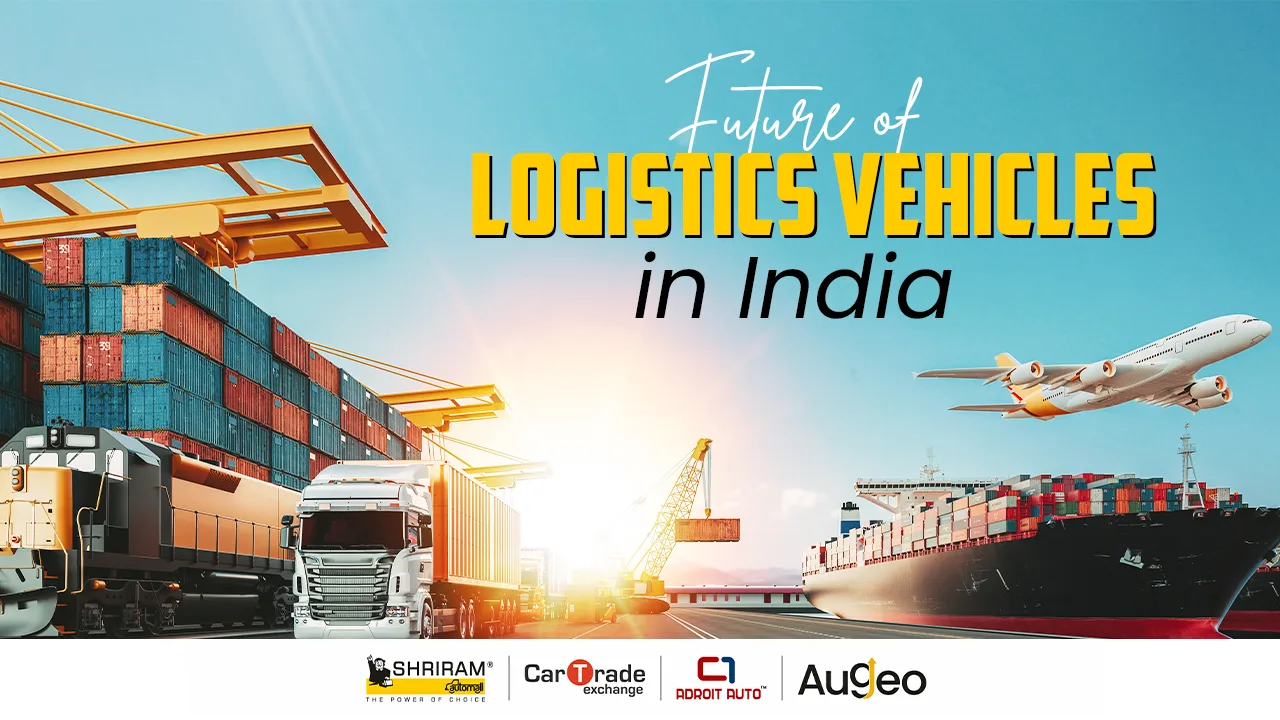
In India, as e-commerce, manufacturing, infrastructure development, and consumer demand are rising, the logistics industry is also evolving alongside. Logistics vehicles are needed for delivering and transporting goods using vans, heavy-duty trucks, etc. But with rising fuel costs and environmental concerns, the need for greater operational efficiency is also changing. Several developments will shape the future of logistics vehicles in India, including electric commercial vehicles, alternative fuels, digital fleet management, connected vehicle technology, and improvements in transportation infrastructure. The government is also supporting cleaner transportation initiatives for freight transportation and encouraging the industry to explore new solutions.
Let us further explore the key trends that will shape the future of logistics in India and the technologies that are transforming commercial transportation.
What are Logistics Vehicles
Specialized motor vehicles that are built for transporting goods, cargo, and freight within a supply chain are known as logistics vehicles. There are different types of logistics vehicles, such as light commercial vehicles, medium-duty commercial trucks, heavy commercial vehicles, multi-axle trucks, trailers, tractor-trailers, non-road logistics fleet, and specialized cargo vehicles.
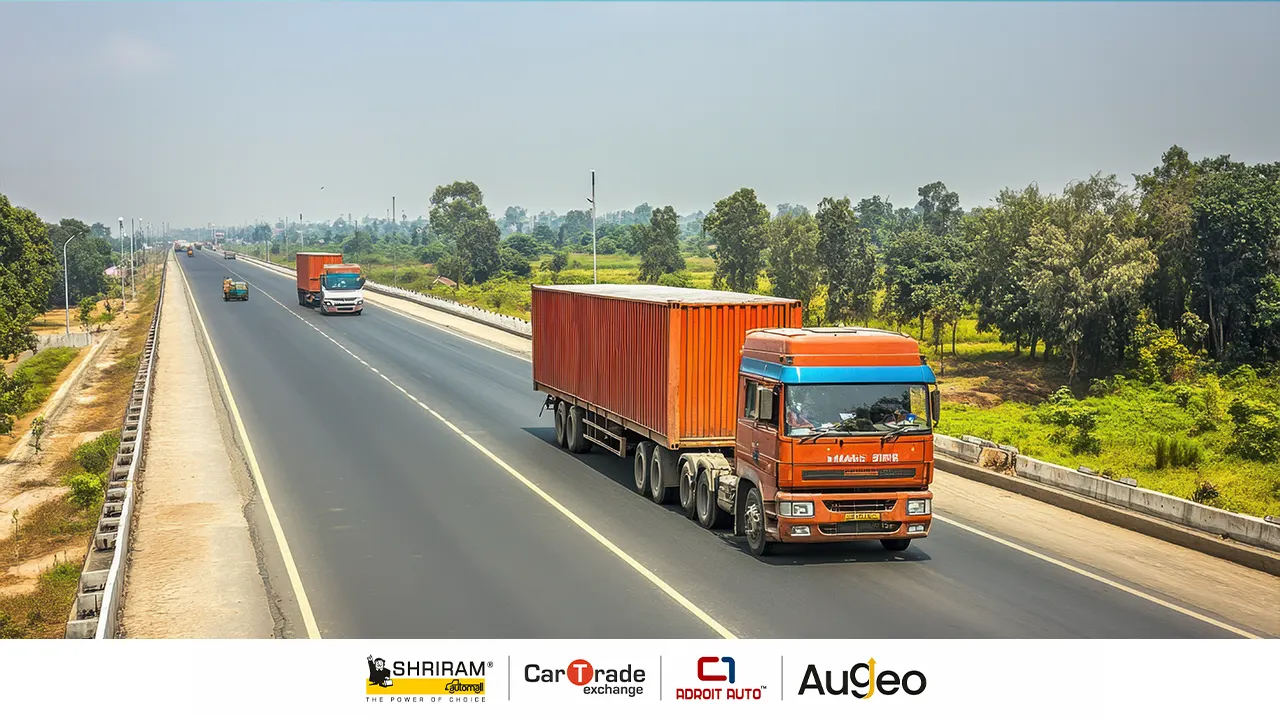
Role of Logistics Vehicles in India
These vehicles are used to transport goods from manufacturers and warehouses to distributors, retailers, businesses, and end consumers. Logistics vehicles are essential in a supply chain, and they make sure that products reach their destinations safely and on time. The vehicles work across industries like e-commerce, agriculture, construction, manufacturing, retail, and food distribution. Logistics vehicles help with local deliveries and last-mile logistics. You can also transport bulk goods and heavy loads over long distances. People also use it for intercity freight, industrial transportation, and large-scale cargo movement. Specialized refrigerated vehicles also transport temperature-sensitive goods.
Every logistics vehicle has a different purpose, and as the needs evolve, so do the vehicles. Businesses choose their preferred vehicles based on load capacity, route distance, fuel efficiency, operating costs, and delivery schedules.
Key Trends Shaping the Future of Logistics Vehicles in India
Several developments are shaping the future of logistics vehicles in India, including electric commercial vehicles, alternative fuels, digital fleet management, connected vehicle technology, and improvements in transportation infrastructure. Let us take a look at them briefly:
Electric Commercial Vehicles
Indian commercial transportation landscape is incorporating electric mobility. Electric two-wheelers and three-wheelers are popular in urban mobility, while trucks and light commercial vehicles are gaining momentum as well. The government is also supporting electric trucks and other electric vehicle categories for cleaner transportation. They are not suitable for all logistics support because of a lack of infrastructure and power. But it is definitely a start for a sustainable mobility landscape in India.
Alternative Fuels
Fleet diversification will be supported by using alternative fuels, reducing the environmental impact of logistics transportation. People are considering using CNG, LNG, biofuels, and hydrogen-based technologies. Different types of fuels have different limitations and benefits, as not every logistics requirement can be fulfilled by a single fuel type. Depending on the route, vehicle availability, load, and fuel type, the most suitable fuel option is chosen.
Digital Fleet Management
Fleet management doesnt mean assigning vehicles to delivery routes; monitoring vehicle location, fuel consumption, driver behaviour, maintenance schedules, and delivery performance also becomes important in digital fleet management. Managing this can support day-to-day decision-making and help businesses make better use of their existing vehicles before investing anymore in any additional capacity. The existing systems should first be used to their full capacity before investing in new ones.
AI and Data Analytics
The efficiency of logistics vehicles can be improved by artificial intelligence and data analytics through transportation planning. The systems powered by AI analyse traffic patterns and potential improvements efficiently. AI will most likely become a useful decision-support tool rather than a replacement for operational planning and human oversight.
Last-Mile Delivery Vehicles
Last-mile delivery vehicles are the ones that transport goods from a distribution centre or local hub. As e-commerce, online grocery services, and quick commerce are on the rise, businesses need vehicles that are able to handle frequent deliveries across busy urban areas. Now, in the future, last-mile delivery vehicles will focus on balancing delivery speed and access to congested areas.
Connected Vehicles
Commercial vehicles also use technology now to share information about location and condition; these are known as connected commercial vehicles. The fleet operator gets alerts and other requirements based on the installed system. As connected vehicle technology develops further, reliable data and strong cybersecurity practices will become important for the logistics business.
Conclusion
The future of logistics vehicles in India will be shaped by electric commercial vehicles, alternative fuels, AI, connected technology, and last-mile delivery vehicles. Businesses are always on the lookout to improve efficiency and reduce their operating costs by choosing the right vehicle; hence, these future developments will become very important. The market of used commercial vehicles in India will continue to play a valuable role by helping businesses manage fleet upgrades and access affordable vehicles. In the future, people can maintain and build more efficient fleets with careful vehicle selection and regular maintenance.
Frequently Asked Questions (FAQs)
1. What is the future of logistics vehicles in India?
The future will be shaped by electric trucks, alternative fuels, digital fleet management and more efficient transportation networks.
2. Will electric trucks replace diesel trucks in India?
Not entirely in the near future. Adoption will depend on vehicle costs, charging infrastructure, range and operational requirements.
3. Which vehicles are used for logistics in India?
Common options include trucks, light commercial vehicles, mini trucks, three-wheelers and specialised cargo vehicles.
4. Is buying a second-hand commercial vehicle a good option?
Yes, it can reduce the initial investment, provided the vehicle's condition, documents and expected maintenance costs are carefully assessed.
 18001024141
 Download Our App