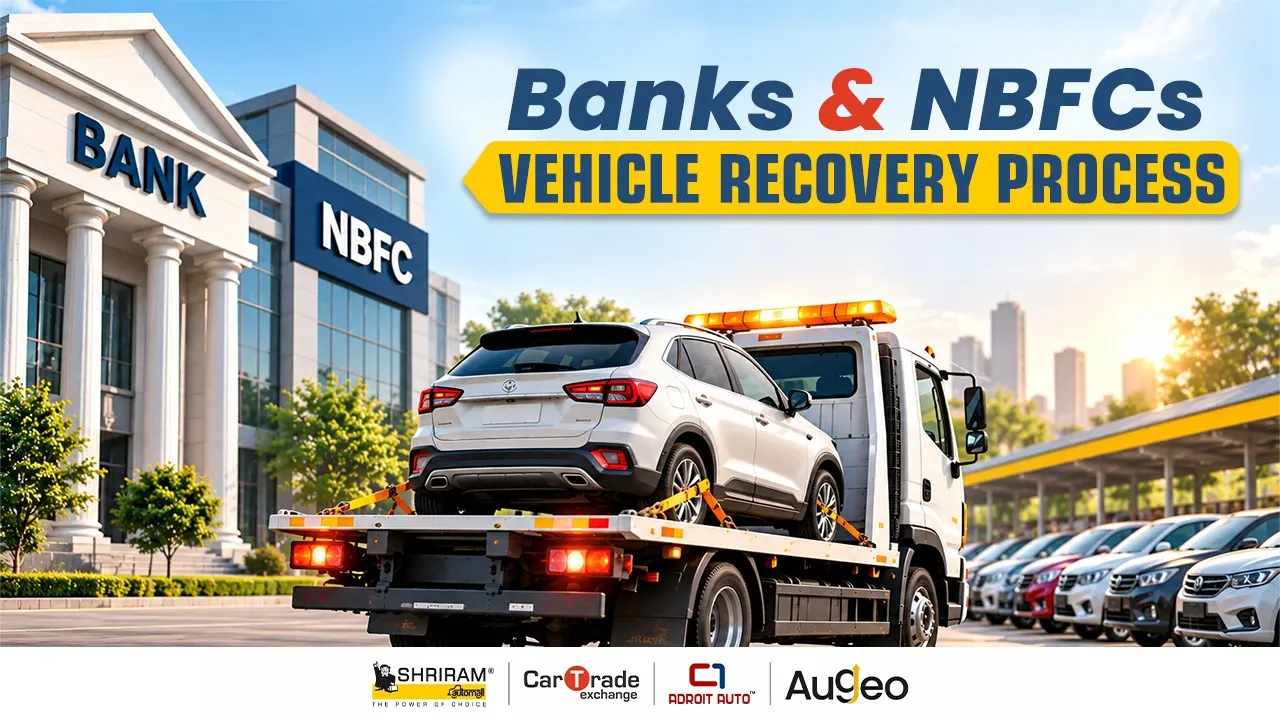
Purchasing cars, commercial vehicles, and other types of vehicles has become easier with the coming of vehicle loans. It lets you avoid paying the full cost upfront and save money for other things. But when borrowers fail to repay the loan amount to the banks or any other financial institution, the lenders take steps for vehicle recovery of the outstanding amount.
The bank and NBFC vehicle recovery process aims to recover dues on financed vehicles. It involves communication with the borrower, repayment arrangements, repossession of the vehicle, and sale of the recovered vehicle to recover the outstanding dues. Understanding this process will help the borrowers know their rights and responsibilities. And as for the lenders, an organized mechanism for vehicle recovery can help manage non-performing vehicle loans and recovery
This blog will reveal to you the bank and NBFC recovery process in India, the general stages involved with it, and what happens after the vehicle is repossessed by the lender.
What is Vehicle Recovery
The process followed by any bank or NBFC when a borrower defaults on a vehicle loan by taking steps to recover outstanding dues is known as vehicle recovery. Depending on the loan agreement, type of vehicle, applicable regulations, lender policies, and circumstances of the borrower, the process differs.
In any vehicle financing, the vehicle acts as a security for the loan. When the borrower fails to pay his dues, the lender may have legal rights to take possession of the vehicle and sell it for the recovery of the dues. Vehicle recovery doesnt mean that the vehicle would simply be taken by the lender. The process involves appropriate communication, documentation, and procedures.
Why do Banks and NBFCs Recover Vehicles
Vehicle recovery is a process with the primary objective of managing outstanding loan dues when regular repayment fails. Vehicle recovery can happen because of repeated missed EMIs, prolonged loan default, borrowers inability or unwillingness to repay, failure to respond to repayment communications, breach of relevant loan terms, and financial difficulties affecting the borrower's ability to service the loan.
One missed EMI doesnt mean that your vehicle will be automatically repossessed by the lender. These kinds of actions depend on the loan agreement and the legal requirements.
Bank and NBFC Vehicle Recovery Process
Based on the type of lender and the reason, vehicle recovery processes can differ. The bank and NBFC vehicle recovery process follows several stages; let us look at them:
Default EMI Payment
The process can begin when the borrower fails to pay an EMI by the due date. You will start getting reminders after a missed EMI; in addition, late charges and other actions might also be taken. If the borrower continues defaulting on the EMI payments, then the account may move into a more serious stage.
Follow-Up and Recovery
When the due amount remains unpaid, several messages via text, phone calls, and email are sent. Even after this, if the borrower does not pay his dues, the recovery efforts in accordance with the lenders internal policy can be exercised. Some settlement options, depending on the circumstances, may also be discussed with the borrower for repayment of the outstanding amount.
Notice Before Repossession
If there is no cooperation or response from the borrower, the lender may proceed with the vehicle repossession process. Based on the loan agreement and applicable legal requirements, the lender can issue a notice before repossession of the vehicle. A documented and lawful recovery process should be followed by the lender.
Vehicle Repossession
When vehicle repossession is necessary and is legally permitted, the lender can take possession of the financed vehicle. The recovery agents from the financiers are expected to follow applicable rules and the lenders code of conduct. The repossession process should not involve intimidation, harassment, violence, or unlawful force.
Vehicle Custody and Valuation
After the recovery of the vehicle, it is moved to a designated yard or other authorized location. The lender then arranges for the vehicle to be inspected and valued. The factors that can influence the value include vehicle make and model, age, condition, mileage, service history, accident history, market demand, location, and documentation, along with applicable taxes. The disposal of the asset can be done with proper valuation.
Opportunity for the Borrower to Clear Dues
The borrower might have an opportunity to clear the outstanding dues depending on the applicable loan terms and process. The exact conditions, timeline, and charges depend on the lender, loan agreement, and applicable requirements. Borrowers can contact the lender directly to understand the amount required and the applicable procedure.
Sale of the Recovered Vehicle
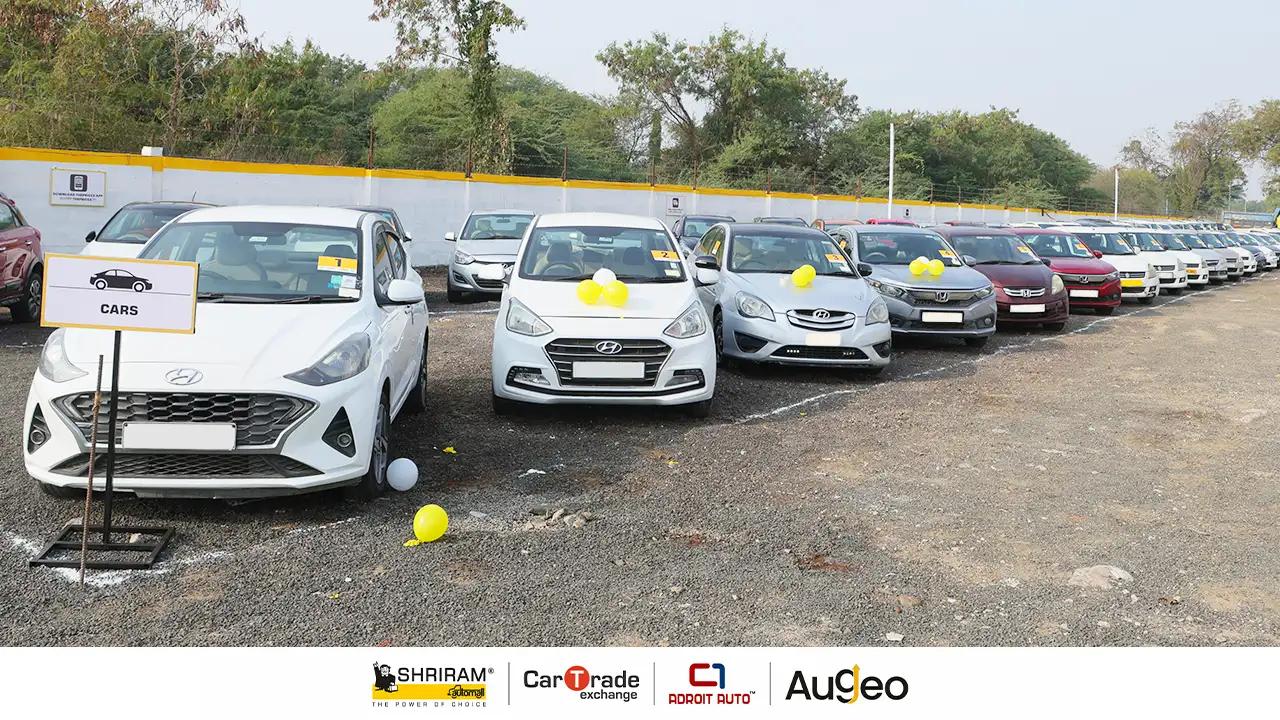
If the amount doesnt get regularized by the borrower, the lender can proceed with the sale of the vehicle. The vehicles can be sold through different channels, including organized auctions. Shriram Automall India Limited is a trusted auction platform for the sale of bank and NBFC vehicles. The money recovered from the sale is used towards the outstanding loan dues and applicable costs.
Adjustment of Sale Proceeds
The sale proceeds received from the sale of the recovered vehicle are adjusted against the outstanding amount and permitted expenses. If any amount is still payable after the sale of the vehicle, the borrower might become liable for the shortfall, depending on the loan agreement. If the sale proceeds exceed the amount legally due after applicable adjustments, the surplus treatment will depend on the rules and contractual terms. Hence, a borrower should not assume that repossession automatically ends the loan obligation.
Conclusion
The bank and NBFC vehicle recovery process in India plays an important role in managing defaulted loans and recovering outstanding dues. There is a standard process that is to be followed if the borrower fails to pay his dues. This process is carefully handled and is done in accordance with the loan agreement and applicable regulations. Whether you are a lender or a buyer exploring used vehicle options, understanding the process can help you navigate the journey with greater clarity and confidence.
Frequently Asked Questions (FAQs)
1. Can a bank repossess a vehicle after one missed EMI?
No, one missed EMI does not automatically lead to repossession. The process depends on the loan agreement and applicable rules.
2. What do banks and NBFCs follow the vehicle recovery process?
It generally involves payment reminders, recovery notices, repossession where legally permitted, vehicle valuation and sale.
3. Where are bank and NBFC recovered vehicles sold?
Recovered vehicles may be sold through organised auctions, dealers or other permitted sale channels.
4. Can I buy bank-repossessed vehicles in India?
Yes, you can explore repossessed vehicles through organised auction platforms such as Shriram Automall India Limited (SAMIL).
 18001024141
 Download Our App