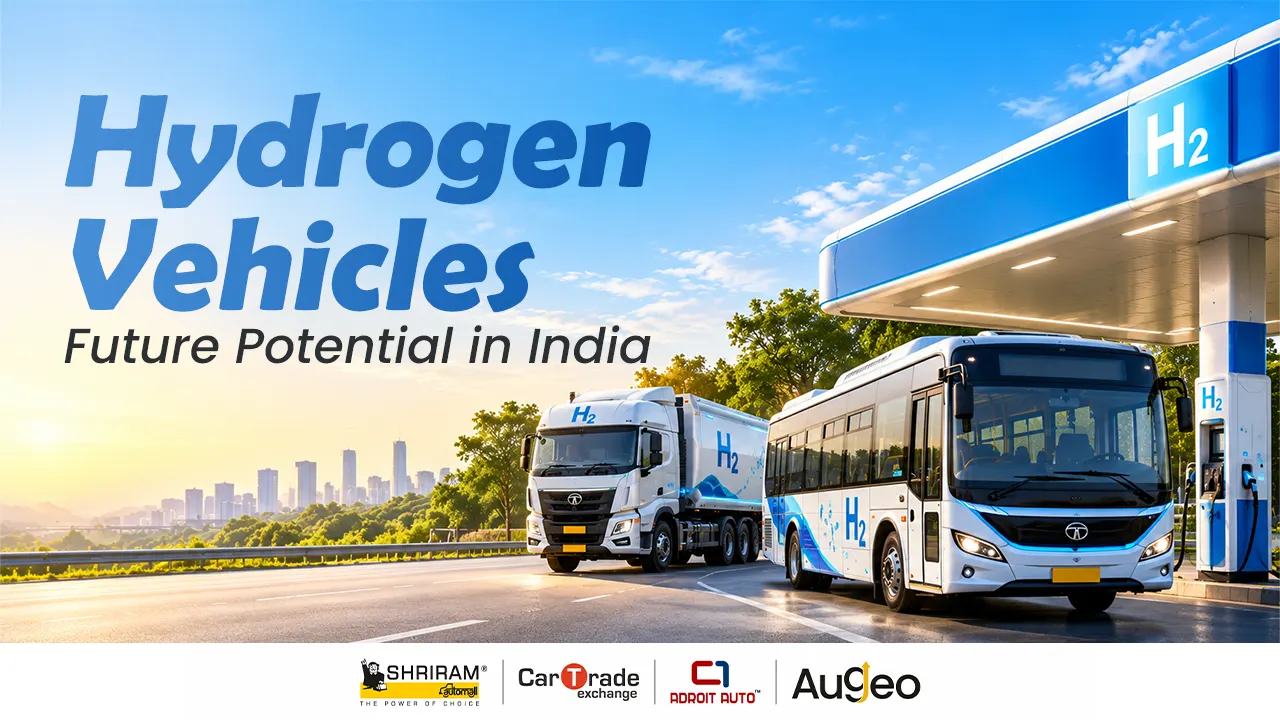
India is continually exploring more efficient, sustainable fuel options for vehicles. Electric and alternative-fuel vehicles are flooding Indian roads as government subsidies and awareness grow. Among these emerging solutions to pollution, there are hydrogen vehicles in India are gaining popularity for their potential to support cleaner transportation, particularly in heavy-duty and long-haul vehicles. Hydrogen vehicles are the alternatives for conventional petrol and diesel vehicles. Based on their composition, they produce electricity from hydrogen to power an electric motor or use hydrogen in a combustion engine. The fuel-cell vehicles release water at the exhaust, and their impact on the environment depends upon how the hydrogen is produced and transported.
India is focusing on green hydrogen, hydrogen technology, sustainable mobility, and industrial decarbonization. These technologies have the potential to become an important part of Indias transportation system. Hydrogen vehicles have future potential in India, but knowing what they are and how they work could affect how it gets adopted in India. Let us help you explore the future potential of hydrogen vehicles in India, their benefits, and their role in shaping the next generation of mobility.
What are Hydrogen Vehicles
Vehicles that use hydrogen as a fuel or energy source for generating power for the movement of the vehicle are hydrogen vehicles. These vehicles are explored as an alternative to conventional petrol and diesel vehicles, particularly for reducing emissions.
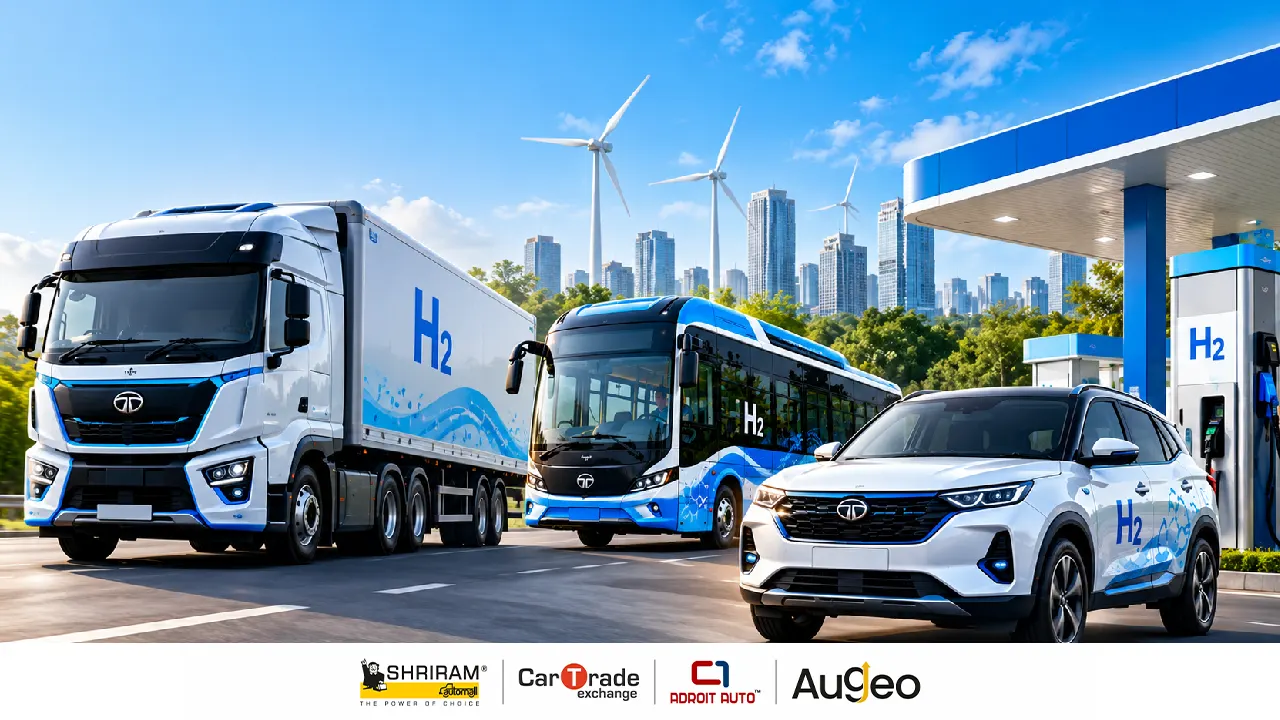
Hydrogen vehicles are mainly of two types; let us explore them:
Hydrogen Fuel Cell Electric Vehicle
Hydrogen fuel cell electric vehicles (FCEVs) are vehicles that use a fuel cell to combine hydrogen with oxygen from the air. Electricity is generated to power an electric motor present in the vehicle. The direct by-product of this process is water, which is collected at the vehicles exhaust, making fuel-cell vehicles an attractive option for reducing tailpipe emissions in the vehicles.
Unlike battery electric vehicles, which store electricity in a battery, fuel-cell vehicles generate electricity onboard using hydrogen.
Hydrogen Internal Combustion Engine Vehicles
Hydrogen internal combustion engine vehicles (ICEVs) are vehicles that use hydrogen as a fuel in a modified combustion engine. Both types have similarities with conventional engine-powered vehicles, but they use a different fuel. Nitrogen oxides are still produced by these vehicles under certain operating conditions, so the emissions are not zero.
Both of these technologies of hydrogen vehicles are being explored for transportation, including buses and trucks.
How Do Hydrogen Vehicles Work
Hydrogen vehicles work using different technologies by converting hydrogens energy into mechanical power that helps the vehicle move. For a hydrogen fuel cell vehicle, first, the gas is stored in specially designed high-pressure tanks. Then electricity is generated when the hydrogen enters the fuel cell and reacts with oxygen from the air. The generated electricity then powers the vehicles electric motor. Some vehicles recover energy during braking to improve efficiency. Water is produced as the main direct byproduct of this fuel cell reaction.
Hydrogen vehicles require special storage systems and safety controls, along with a strong refuelling infrastructure. The environmental benefits of hydrogen vehicles depend on how hydrogen is produced.
Perks of Hydrogen Vehicles in India
India aims to diversify energy sources, and hence hydrogen mobility is being tested. This is to reduce emissions and develop domestic clean-energy capabilities. The National Green Hydrogen Mission was launched in January 2023, aiming to develop Indias green hydrogen ecosystem. The process includes production, use, and supporting infrastructure for hydrogen vehicles.
There are many perks of hydrogen vehicles that make them relevant to Indias long-term mobility plans. Let us take a look at them:
Reduced Dependence on Conventional Fuels
India is currently importing a significant share of crude oil; hence, developing an alternative fuel and domestic energy source could diversify the energy mix in India. One pathway is offered by green hydrogen using renewable energy. But whether its economic or environmentally safer depends on production costs, energy availability, and the supply chain.
Cleaner Transportation
There is a lot of air pollution in India caused by road transportation and greenhouse gas emissions. Hydrogen vehicles do not produce carbon dioxide at the tailpipe during operation. But this doesnt mean that there are zero emissions in hydrogen vehicles, as it totally depends on hydrogen production, compression, transportation, and storage. Green hydrogen offers greater climate benefits if produced using renewable energy.
Development of Domestic Technology
There can be many opportunities in fuel cells, hydrogen storage, vehicle manufacturing, refuelling systems, and engineering services for hydrogen mobility. If India develops these capabilities, we can support domestic manufacturing, technical expertise, and new business opportunities effectively.
Decarbonization of Heavy-duty Vehicles
Green hydrogen is specifically explored for heavy-duty and long-haul vehicles like buses and trucks, for applications involving high daily utilization and long operating distances. For heavy vehicles, refuelling time, payload requirements, vehicle range, and operational schedules are crucial for taking into consideration. Hydrogen is not automatically the best option for every commercial vehicle, but it can become one in the future.
Hydrogen Vehicles vs Electric Vehicles in India
Both hydrogen vehicles and electric vehicles in India offer alternative fuel options to conventional petrol and diesel, but they work very differently. Let us look at the difference between them:
Feature | Hydrogen Fuel-Cell Vehicles | Battery Electric Vehicles |
Energy source | Hydrogen converted into electricity | Electricity stored in a battery |
Emissions | Mainly water vapour | No tailpipe emissions |
Refuelling/Charging | Needs hydrogen stations | Needs charging points |
Efficiency | Generally, less energy-efficient | Generally, more energy-efficient |
Infrastructure | Hydrogen supply and refuelling network | Charging network and electricity supply |
Best suited for | Some heavy-duty and long-distance uses | Cars, two-wheelers, buses and commercial vehicles |
Conclusion
The future of hydrogen vehicles in India looks very promising as the country is effectively exploring clean fuels. Sustainability is the main goal that India is focusing on, and hence hydrogen vehicles are also being considered, especially for trucks and buses. With the National Green Hydrogen Mission, hydrogen-powered trucks and buses could support the decarbonisation of heavy-duty transportation. Electric vehicles remain more energy-efficient than hydrogen vehicles on many parameters, hydrogen vehicles in India could still become an important part of the future mobility ecosystem. It would be interesting to watch hydrogen vehicles shape the Indian automotive system.
Frequently Asked Questions (FAQs)
1. What are hydrogen vehicles?
Hydrogen vehicles use hydrogen to generate power through fuel cells or, in some designs, an internal combustion engine.
2. Are hydrogen vehicles available in India?
Hydrogen vehicles are being tested through pilot projects, particularly buses and trucks, but widespread availability remains limited.
3. Are hydrogen vehicles better than electric vehicles?
It depends on the application. Battery EVs are generally more energy-efficient, while hydrogen may suit certain heavy-duty transport operations.
4. What is the future of hydrogen vehicles in India?
Their growth will depend on affordable green hydrogen, refuelling infrastructure, vehicle costs and the results of ongoing pilot projects.
 18001024141
 Download Our App