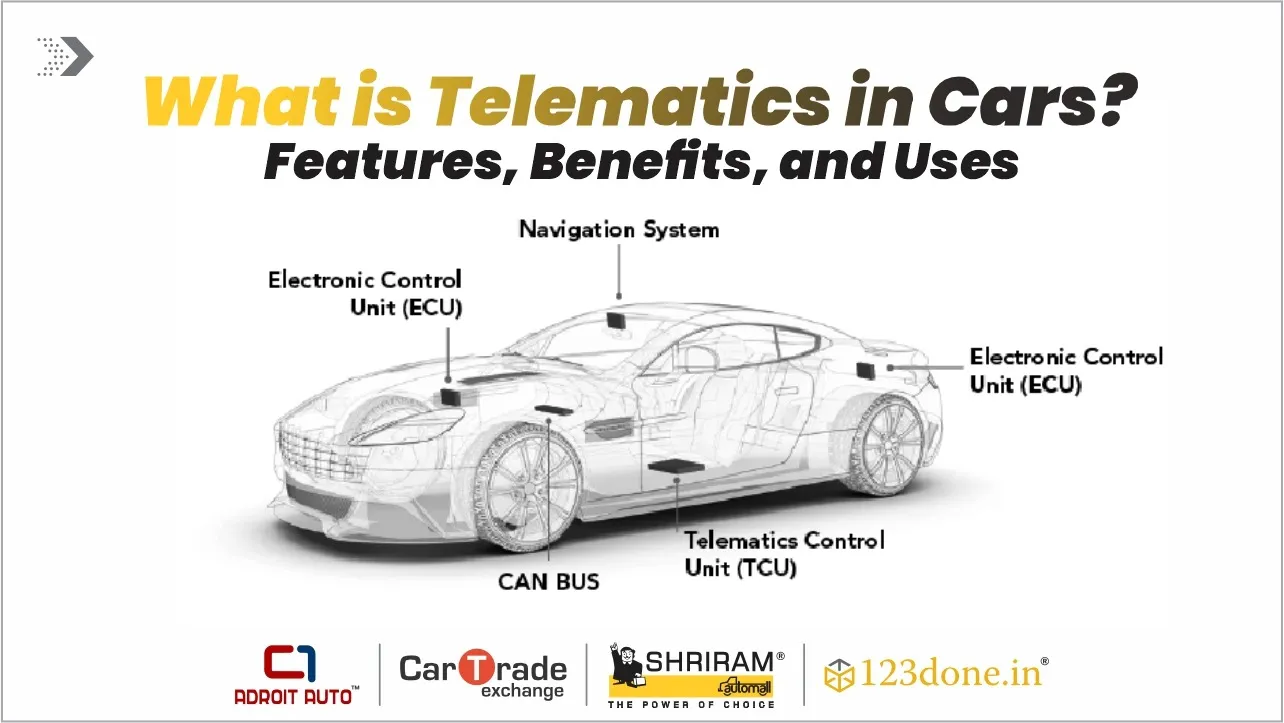
If someone had said twenty years ago that cars would function like smartphones on wheels, tracking their own health, sharing their location live, and even helping avoid crashes, you’d probably have dismissed it as science fiction. But here we are. Modern vehicles aren’t just engines, tyres, and metal anymore. They’re smart, connected systems fuelled by data. And one key technology has made this shift possible: telematics.
Telematics in cars has quietly become one of the most game-changing innovations in the automotive world. It affects how we drive, how vehicles are insured, how companies manage fleets, and how road safety is monitored. Whether you’re someone who loves driving, someone running a transport business, or just curious about what the future holds for mobility, telematics is worth understanding.
So, let’s break it down in a way that actually makes sense.
What Is Telematics in Cars?
Think of your car as constantly telling its story. Every time you accelerate, brake hard, start the engine, or take a turn, it creates data. Telematics is the technology that records this information using sensors, GPS, and SIM-based communication, and sends it to a platform where it can be interpreted.
The word telematics comes from telecommunications and informatics, basically, communication + data. It connects your vehicle to the internet and allows authorised systems to read what’s going on inside it. That’s how we get features like remote controls, vehicle diagnostics, emergency alerts, live navigation, and usage-based insurance.
It’s not just tech for tech’s sake; it’s about improving safety, convenience, and efficiency.
How Does Telematics Work?
The behind-the-scenes process feels complex, but the idea is simple. A telematics device is fitted into the vehicle. That device collects information from sensors, GPS, and the vehicle’s own onboard systems. It then sends all of that data over a cellular or wireless network to a secure server. From there, the data is processed and presented in a way that drivers or fleet managers can actually use.
You may not realise it’s happening, but you’ll notice the benefits every time your car reminds you about tyre pressure, detects a crash, or helps you take the faster route home.
What Features Does Car Telematics Offer?
Telematics isn't limited to one function; it does quite a lot. Some of the most impactful features include:
-
Real-Time Location Tracking
Useful for fleet operators, car rentals, logistics teams, and even families who want to keep track of new drivers.
-
Driver Behaviour Insights
Sudden braking, sharp acceleration, and speeding, all of which can be monitored. This is particularly helpful in corporate fleets where safety matters.
-
Emergency Response and Crash Detection
Some systems automatically contact emergency services after detecting high-impact collisions and share precise location details.
-
Vehicle Health Monitoring
From engine temperature to battery levels, telematics can act like an early warning system for maintenance.
-
Usage-Based Insurance
Some insurers offer “pay-as-you-drive” or “pay-how-you-drive” plans, rewarding responsible driving with lower premiums.
Why Does Telematics Matter?
Telematics isn’t just another tech feature. Its benefits are wide-reaching.
-
Safer Roads
Data helps drivers recognise risky habits and correct them. Businesses using telematics often report fewer accidents and lower repair bills.
-
Lower Costs
From fuel efficiency to route optimisation and predictive maintenance, telematics helps cut avoidable expenses.
-
Better Planning and Productivity
Businesses rely on accurate routing, trip tracking, and schedules based on real movement—not guesswork.
-
Protection Against Theft
With live tracking and remote immobilisation in some cases, stolen vehicles become much easier to recover.
Where Is Telematics Used?
Telematics goes beyond personal vehicles. It’s now used in:
-
Logistics and fleet operations
-
Ride-hailing systems
-
Transport compliance and government safety monitoring
-
Insurance risk evaluation
-
Research and automotive testing
In some countries, certain emergency telematics systems are now legally required in all new cars.
A Real Example Telematics Use
Imagine a delivery company running 200 trucks. They deal with delayed deliveries, high fuel costs, and inefficient routes. After installing telematics, they notice patterns: excessive idling, unnecessary detours, and uneven maintenance. With live tracking, better routing, and performance insights, fuel waste drops, deliveries become faster, and maintenance becomes preventive instead of reactive. Within months, costs go down, and efficiency shoots up.
On a smaller scale, a parent could use the same technology to monitor a teenager’s driving, or an insurance company could reward safer driving habits.
What’s Next?
We’re moving toward an era where cars communicate with traffic signals, with other vehicles, and with the road infrastructure itself. With the growth of electric cars, autonomous driving systems, and smart cities, telematics will only become more integrated into daily life. It isn’t just shaping how we drive today; it’s helping build the future of mobility.
Final Thought
Telematics in cars isn’t just a technical upgrade; it’s a shift in mindset. Driving is becoming smarter, more responsible, and more connected. Whether you want safer roads, personalised insurance, better vehicle health insights, or stronger operational control in a business, telematics offers a path forward.
If you haven’t explored it yet, now might be a good time. The future of driving is intelligent, data-powered, and more exciting than ever.
 18001024141
 Download Our App