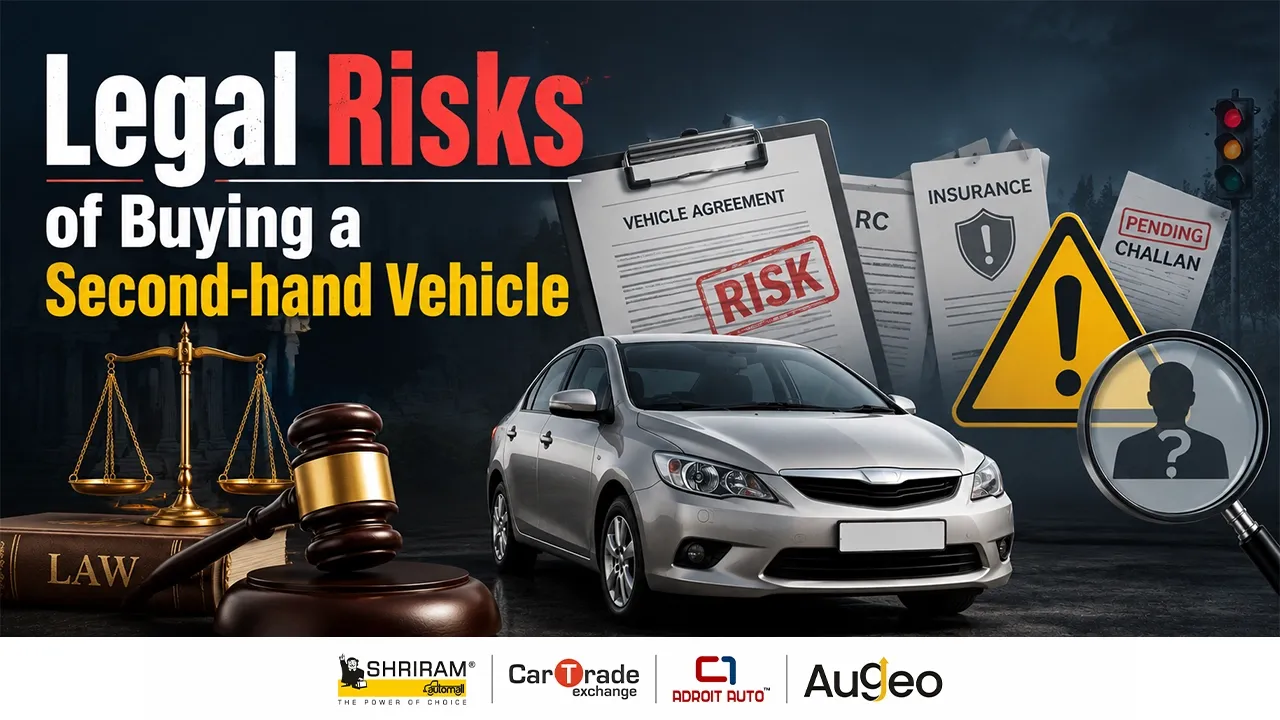
For many people in India, buying a second-hand vehicle instead of a new one is preferred. It is considered a smart way to get a good vehicle at a lower price. Many buyers of second-hand vehicles only focus on the vehicles mileage, condition, price, features, etc, but they neglect the most important aspect of all: the legal status of the vehicle. There can be several legal risks of buying a second-hand vehicle if the legal and documentation history is not properly checked.
A second-hand vehicle almost always looks perfect on the outside, but there can still be many unresolved loans, pending challans, ownership disputes, incorrect documentation, or even a history. All this can create legal trouble for the new owners, which can become expensive to get sorted out. While buying a second-hand vehicle in India, you must be aware of the potential challenges and concerns that can prove to be a challenge for you.
Buying a second-hand vehicle is more of a legal transaction that must be fully transparent. The legitimacy of the old vehicle must be inspected for your peace of mind. To mitigate the challenge of buying a used vehicle, buyers must conduct thorough research, inspect the vehicle carefully, and obtain a pre-purchase inspection from a professional.
Legal Risks of Buying a Second-hand Vehicle
A second-hand vehicle can look perfect on the outside and still have unresolved loan issues, ownership issues, unpaid challans, insurance complications, documentation issues, etc. If these issues aren't resolved before purchase, the new buyer may face legal complications and financial losses.
Let us look at the major legal risks of buying a second-hand vehicle:
Vehicle With an Existing Loan
One of the biggest risks with purchasing a second-hand vehicle is not confirming its loan status. If the loan is still pending. Then legally, the vehicle still belongs to the lender. Paying the seller and taking possession of the car doesnt remove the vehicle liability. So, before purchasing a second-hand vehicle, ensure that you check its registration certificate and confirm if the hypothecation is recorded. The loan must first be closed properly, and proper documentation should be provided.
Ownership and Registration Issues
The legitimate ownership of the vehicles must be with the person selling them. Buying from someone who is not the registered owner can create serious complications during ownership transfer. Make sure that you verify the sellers identity, RC, vehicle registration number, chassis number, ownership details, and transfer documents. Vehicle details must match the official records, and if there is any mismatch, do not proceed with the purchase.
Pending Traffic Fines
There might be some pending challans or traffic fines that are unpaid. There can also be some additional penalties associated with them. If you fail to check these before making a purchase, then you could encounter difficulties during your future transactions. It is better to ask the seller to clear all pending dues before the sale is completed and retain proof of payment.
Risk of Stolen Vehicle
There is always a risk of buying a stolen vehicle unknowingly. It can look convincing on the papers and in person, but the risk can be very high. You can lose possession of the vehicle any day and face a lengthy legal process to establish how you purchased it. So, before buying, make sure that you verify the vehicles registration and identification details and ensure that the seller can establish legitimate ownership.
Forged Vehicle Documentation
Another concern related to buying second-hand vehicles is getting fraudulent documentation. RC, insurance papers, pollution certificate, invoices, etc can get altered or forged. If you rely solely on physical copies, then you might discover the problem later. Where possible, verify the information against official records and make sure the vehicles chassis and engine numbers match the documents.
Accidental or Crime Involvement
The second-hand vehicle that you buy could have been involved in a serious accident or may have a connection with any investigation or criminal case. Undisclosed legal complications can create issues for the new owner in the future. So, ask for vehicle history and carefully verify documents before making any payments.
Where to Buy Second-hand Vehicles
When it comes to purchasing a second-hand vehicle, trusting some random person or dealer is not the best idea nowadays. There can be some serious legal risks involved with the purchase of old vehicles. The first step is to be mindful of the risks involved with second-hand vehicle buying, and next comes following basic precautions.
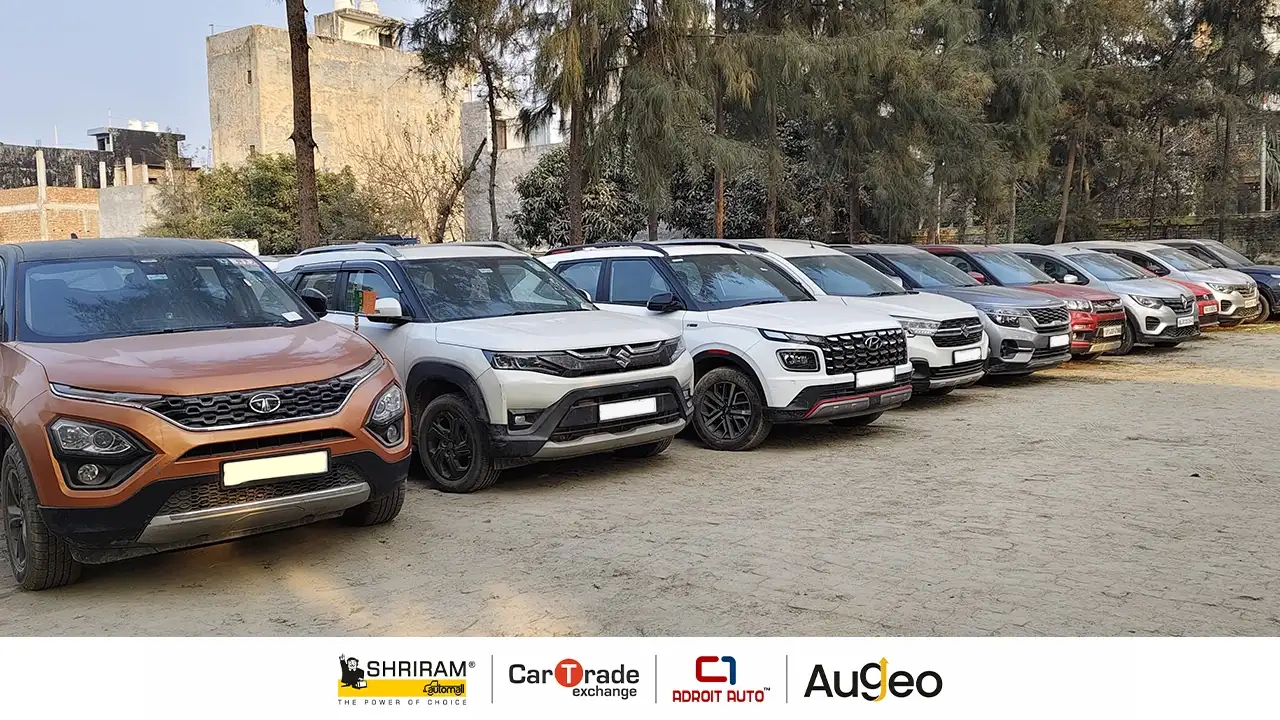
Trusted platforms like Shriram Automall India Limited (SAMIL) can be used for purchasing well-inspected and safe vehicles. SAMIL is Indias largest phygital marketplace for pre-owned vehicles, equipment, and other assets. You can buy and sell second-hand vehicles efficiently, with full transparency.
Conclusion
Buying a second-hand vehicle is not just about the money, but also about the legal transaction. A vehicle that looks good and costs less isnt always ideal. You must ensure a proper vehicle inspection is done and all documents are checked. Your approach should be to verify the vehicle, verify the seller, verify the paperwork, and complete the ownership transfer properly. Taking a little extra time before buying can help you avoid expensive disputes and legal complications later.
Frequently Asked Questions (FAQs)
1. What are the legal risks of buying a second-hand vehicle?
Common risks include pending loans, unpaid challans, ownership disputes, forged documents, and stolen vehicles.
2. How can I check the legal status of a used vehicle?
Verify the RC, ownership details, challans, loan status, insurance, and vehicle identification numbers through official records.
3. What documents should I check before buying a used vehicle?
Check the RC, insurance, PUC certificate, sale documents, loan clearance, and other relevant vehicle records.
4. Can I buy a second-hand vehicle with an existing loan?
Yes, but the outstanding loan should be properly settled and the lenders hypothecation removed before ownership transfer.
 18001024141
 Download Our App