EV battery recycling in India is mandated to recover 90% of the material. The process of EV battery recycling in India involves discharging the battery safely and mechanically shredding it. After this, hydrometallurgical separation takes place to extract high-purity lithium, cobalt, and nickel from the EV battery.
EV battery recycling in India is one of the most critical segments of the EV industry. This comes under the Battery Waste Management Rules for recovering 90% of the material present in the returned EV battery. The process of recycling is a bit intricate and requires special permissions; for an individual, it costs nothing to get their battery recycled. There are many challenges linked with the EV recycling process because of the nature of the procedure, but the future opportunities in this sector are very promising.
There are many challenges in EV battery recycling in India, and it is a difficult process. This is due to high processing costs, complex and varying chemistry designs, strict hazardous transport rules, and severe fire or toxicity safety risks. There is a huge adoption of EV battery recycling, but these obstacles slow down the large-scale reuse of these batteries.
This blog will further reveal what EV battery recycling in India is and what its process, cost, challenges, and future are in India.
EV Battery Recycling in India
Electric vehicle (EV) battery recycling is the process of collecting an EV battery safely, dismantling it, and then processing it to recover some raw materials like lithium, cobalt, nickel, and graphite. EV battery recycling in India is very important since it helps prevent toxic waste and reduces the need for mining raw materials to build new batteries. You can recycle the old ones and get the required raw materials for reuse.
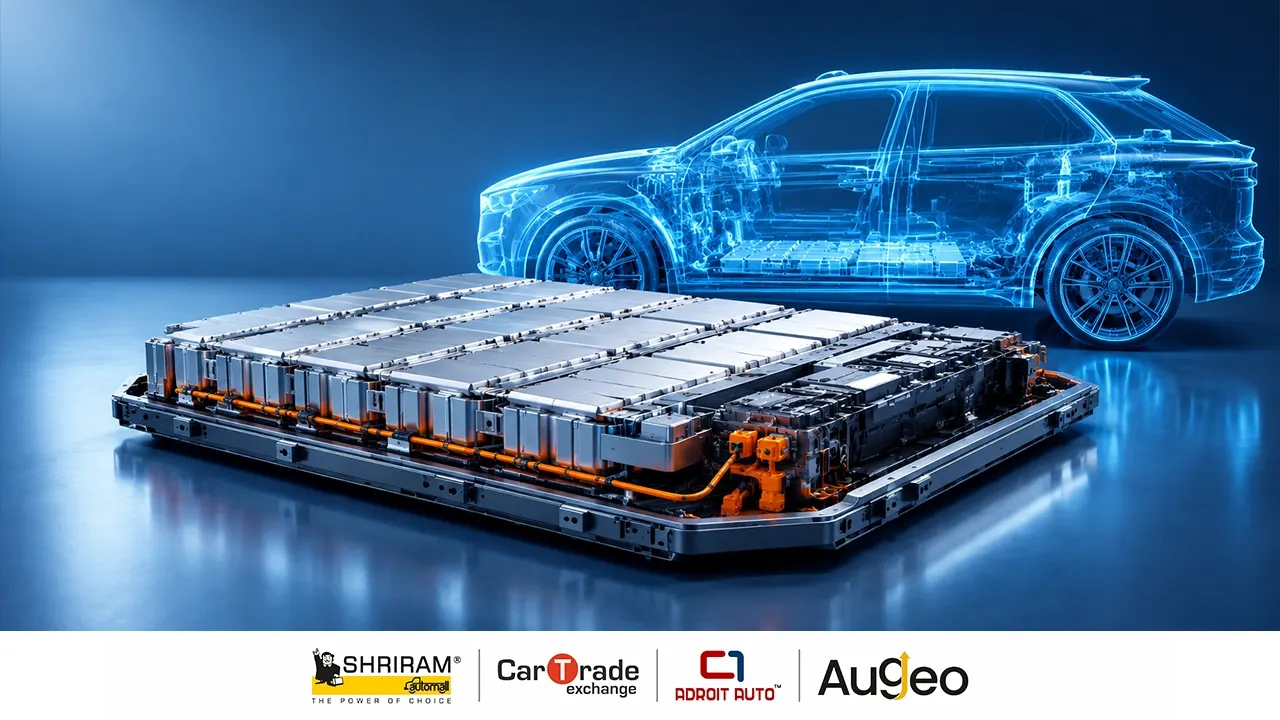
The recycling of EV batteries is essential for resource security, as domestic manufacturers then rely less on imported raw materials. They can use recycled metals for their work. The process also helps in environmental protection as it lowers the carbon footprint compared to digging the earth or mining heavy metals. Recycling EV batteries is actually a regulatory compliance requirement and is aligned with Indias Battery Waste Management Rules.
Process of EV Battery Recycling in India
The process of EV battery recycling in India is very regulated and formal. It is closely governed by the Battery Waste Management Rules/ The process includes collecting the lithium-ion battery packs, then dismantling them completely after discharging, and applying a hydrometallurgical chemical process in order to extract battery-grade metals from them. Below is the whole process explained for a better understanding:
Stage | Process |
Collection & Testing | The batteries are collected, and a test is run to see if anything can be recycled or not. |
Discharging | There might be some electric charge present, which is safely removed. |
Dismantling | The whole battery is dismantled, and all parts are separated. |
Shredding | Black mass is taken out of the cells after shredding them, as it is the part that has all the major raw materials. |
Leaching | Black mass is treated with chemicals to extract valuable metals. |
Separation | Different metals are separated using chemical and solvent-based processes. |
Recovery | Materials such as lithium, nickel, and cobalt are recovered for use in new batteries. |
Cost of EV Battery Recycling in India
There is generally no cost included for end-of-life battery owners in India. In most of the cases, no disposal fee is charged as manufacturers build recycling obligations into the warranties themselves. The cost of industry bodies' rules adds about 8,000 to 25,000 per electric car battery, which includes tracking, collection, and regulatory compliance under the Ministry of Environment.
But if you talk about setting up a small-scale facility for EV battery recycling in India, then it would cost from 30 lakh to 3 crore, depending on processing capacity, land lease, and degree of automation. For safety gear and machinery that is used for EV battery recycling, it can cost anything between 25 lakh and 1.5 crore.
Challenges of EV Recycling in India
In India, there are many hurdles in EV battery recycling, including a massive capacity deficit, complex chemical variations, and high processing costs. There are more challenges faced by EV recycling in India, which are mentioned below:
Challenge | Key Issue |
Infrastructure Gaps | Limited recycling capacity and collection centres. |
Safety Risks | Battery transport and handling require special care. |
Informal Recycling | Unsafe methods can harm people and the environment. |
High Costs | Recycling plants require significant investment. |
Battery Variety | Different battery types make recycling more complex. |
Market Uncertainty | Changing material prices can affect recycling profits. |
Future of EV Battery Recycling in India
EV battery recycling in India is set to become a multi-billion-dollar industry under the clean technology sector. Due to the rapid growth of EV adoption and strict battery waste management rules, the recycling industry will also surge. There will be many opportunities in the EV recycling industry in the future; some of them are listed below:
- Currently, there are a lot of informal scrap yards that are used for the collection of EV batteries, which will be formalized in the coming time. We will move to structured and traceable reverse logistics.
- Advanced technology will be adopted for the adoption of efficient hydrometallurgical and mechanical processes. For the extraction of high-purity battery-grade materials, newer technology will come into being.
- There will be more second-life applications for retired EV batteries before it gets recycled. There can be more applications in stationary energy storage systems, etc.
Conclusion
The future of EV battery recycling in India is linked to the growth of electric vehicles in India. With the coming of more responsible battery waste management systems, EV battery recycling in India would change its pace. However, challenges such as EV battery recycling cost, limited infrastructure, varying battery chemistries, safety concerns, and the need for advanced recycling technology still need to be addressed. As EV adoption continues to grow, India will need stronger collection networks, better recycling facilities, and more efficient technologies to build a reliable battery recycling ecosystem.
Frequently Asked Questions (FAQs)
1. Can EV batteries be recycled in India?
Yes. EV batteries can be recycled through authorised recycling facilities, where valuable materials such as lithium, cobalt, nickel and graphite are recovered.
2. How much does EV battery recycling cost in India?
The cost varies depending on the battery chemistry, size, condition and transportation. Recycling costs can also differ based on the processing technology used.
3. What happens to old EV batteries?
Old EV batteries are tested first. Batteries that still have usable capacity may get a second life, while others are dismantled, shredded and processed to recover valuable materials.
4. Is EV battery recycling good for the environment?
Yes. EV battery recycling helps reduce battery waste, recover valuable raw materials and lower the need for new mining, making EVs more sustainable in the long run.
 18001024141
 Download Our App