Buying a used car in India is no longer a gamble—it’s a smart, value-driven decision, especially in 2025 when the pre-owned car market is booming. With more transparency, digital tools, and credible platforms like Shriram Automall, CarTrade Exchange, and CarWale, second-hand car buyers are more empowered than ever.
But how do you ensure that your next pre-owned car is genuinely yours, legally clean, and mechanically sound?
This comprehensive guide walks you through everything you need to know—from verifying ownership documents to checking the car’s real condition—so you can drive off with peace of mind and a great deal.
Why Buying a Used Car in 2025 Makes More Sense Than Ever
The used car market in India is growing at a CAGR of 15-16% and is expected to double by 2030, reaching over 1 crore transactions annually. In fact, for every new car sold, about 1.2 used cars change hands, making second-hand vehicles the smarter choice for budget-conscious and eco-aware buyers.
In 2025, with a plethora of inspection tools, financing options, certified cars, and transparent ownership histories, the risks once associated with buying a used car have significantly diminished.
Step-by-Step Guide to Buying a Used Car in 2025
Let us look at the various steps involved in the buying of used car:
1. Define Your Budget and Car Preferences
Before diving into paperwork and technical inspections, decide:
-
How much can you spend (including RTO transfer, insurance, and accessories)?
-
What type of car suits your needs—hatchback, sedan, SUV, EV?
-
Preferred brands, fuel type, and model years?
Digital platforms allow you to filter options by budget, body type, fuel efficiency, and ownership history, giving you a head-start.
2. Choose a Trusted Platform or Source
Avoid buying from anonymous listings or under-the-table deals. Instead, opt for:
a) Shriram Automall (SAMIL)
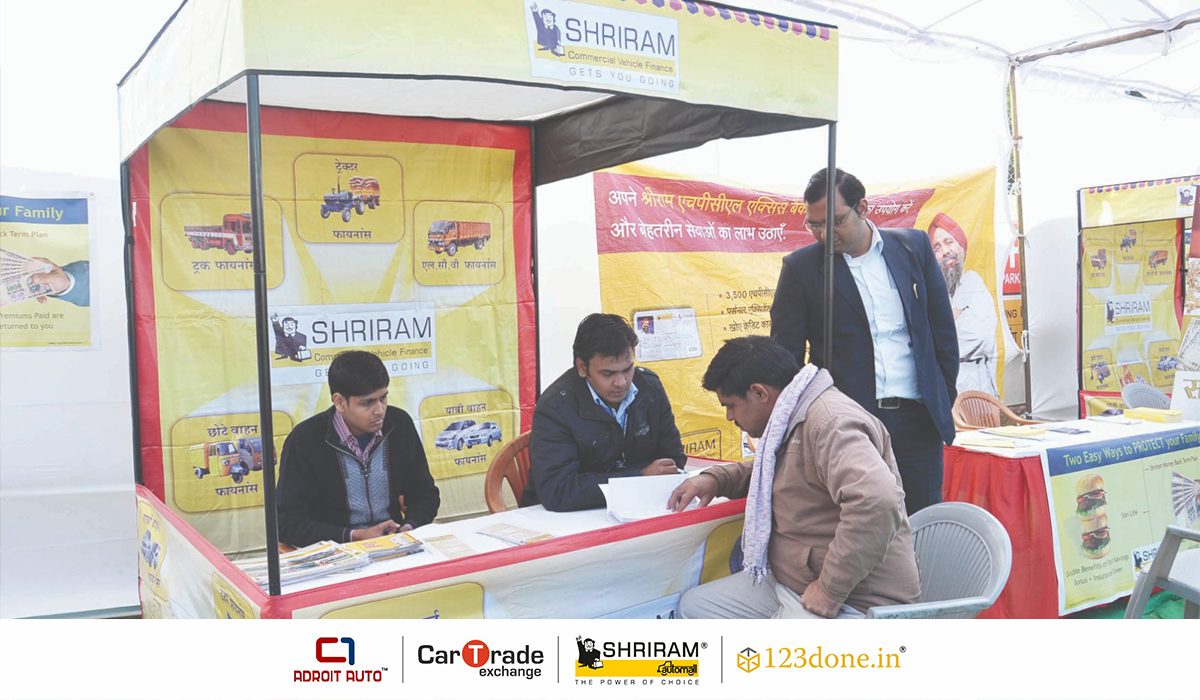
One of India’s largest offline and online auction platforms, Shriram Automall enables you to buy used cars through a structured process that includes documentation, inspection, and live bidding. Their vehicles often come from banks, NBFCs, or fleet operators—making ownership history easier to verify.
b) CarTrade Exchange
This B2B platform offers certified listings and transparent records for buyers. It caters to dealers and retail customers alike, providing access to thousands of listings with ownership, insurance, and service history.
c) CarWale
A user-friendly interface with direct listings, verified sellers, and car comparison tools. You can view seller ratings, get price predictions, and even request inspections.
How to Verify Used Car Ownership in 2025
Verifying ownership is non-negotiable. A mismatch or missing record can cause legal trouble and even invalidate your insurance. Here’s how to do it properly:
1. Match the RC (Registration Certificate) with the Seller's ID
Check that the seller’s Aadhaar/PAN/Voter ID matches the name on the RC Book. If the seller is not the first owner, verify how many transfers the vehicle has undergone.
2. Check Ownership History Online
Use platforms like:
-
VAHAN Portal: For free verification of owner details, RTO, chassis number, engine number, and vehicle fitness status.
-
CarTrade Exchange, Adroit Auto and CarWale: These platforms offer digital verification and full vehicle history reports, including ownership trails.
3. Look for Hypothecation or Loans
If the car was financed, make sure the hypothecation is removed from the RC after the loan was repaid. If not cleared, the lender still legally owns the car.
Ask for:
-
No Objection Certificate (NOC) from the bank or NBFC
-
Form 35 (loan closure form) signed and stamped
-
RC updated with the hypothecation removal at the RTO
Documents Checklist for Used Car Buyers in 2025
Ensure these documents are provided and are clean:
Essential Ownership & Transfer Documents
-
Original RC Book
-
Form 29 & 30 (for transfer of ownership)
-
Sale Agreement on stamp paper
-
Valid Pollution Under Control (PUC) certificate
-
Original Invoice Copy (optional but helpful)
-
Valid Insurance Policy
-
Road Tax Receipt
-
NOC from RTO (if inter-state sale)
-
Copy of previous owner’s PAN card
Optional but Useful
Pro Tip: Always get a written declaration from the seller stating the car has not been involved in any criminal activity, loan default, or insurance fraud.
How to Check the Condition of a Used Car Like A Pro
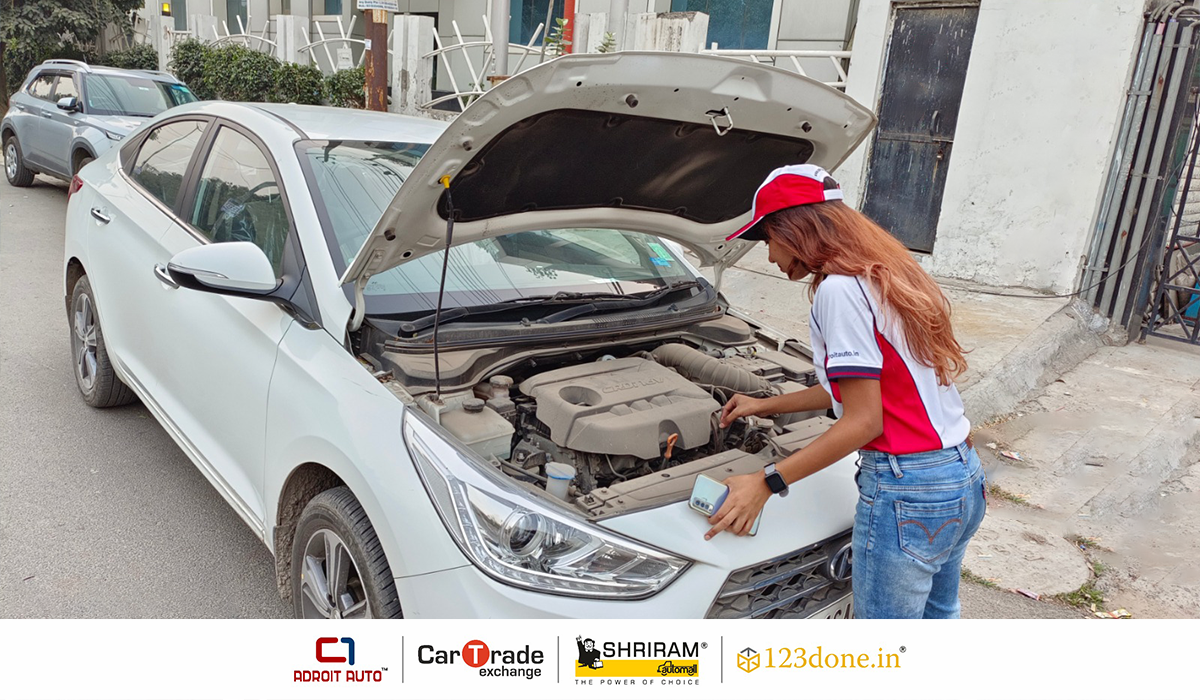
Even if the car looks great on the outside, what's underneath matters more. If you're not a mechanic, use this comprehensive inspection checklist or hire a certified evaluator.
1. Exterior Inspection
-
Look for repainted parts (inconsistent shades)
-
Check for rust, dents, or scratches
-
Inspect panel gaps for signs of an accident
-
Examine the tyres for wear and tear (uneven wear may indicate alignment or suspension issues)
2. Engine and Under the Hood
-
Engine bay should be clean and free of oil leaks
-
Check engine oil, coolant, and brake fluid levels and color
-
Ensure the battery is under warranty and connections are corrosion-free
3. Interior Condition
-
Check seat condition, upholstery, dashboard, and infotainment
-
Test AC, lights, horn, and all electrical functions
-
Ensure odometer tampering hasn’t occurred (compare physical wear with KM reading)
4. Test Drive Is a Must
On your test drive, check for:
You can also get an expert evaluation from platforms like Shriram Automall (who offer in-house inspection) or request certified inspection reports from CarTrade Exchange and CarWale.
Digital Tools for Vehicle Health Reports in 2025
Thanks to AI and digitization, you can now run a vehicle health check online using platforms that provide:
Some of these tools are integrated directly into CarTrade Exchange and CarWale, offering comprehensive vehicle health reports before purchase.
How to Spot a Stolen or Accident-Registered Vehicle
Let us help you with the steps to follow in order to verify if the used vehicle is safe to buy or not:
1. Verify Chassis & Engine Number
Match the chassis number and engine number on the RC with the physical ones on the vehicle. They’re usually embossed near the driver's seat and inside the engine bay.
2. Check Blacklisted or Scrapped Vehicles
Use the VAHAN app or portal to check if the car is:
3. Cross-Check Insurance Claims
Check for excessive or frequent claims in the past. A high number of claims is often a red flag.
Used Car Financing and Insurance in 2025
With fintech integration, you can now finance a used car in minutes. NBFCs and banks have made loans more accessible for second-hand vehicles.
Loan Checklist:
-
Check eligibility and interest rates (10–16% is common)
-
Ensure loan tenure suits your budget (1–5 years)
-
Ask for pre-closure clauses or penalties
Shriram Automall, in collaboration with Shriram Transport Finance, offers flexible financing for auctioned vehicles.
Insurance Tip:
Don’t just transfer the old policy—re-evaluate and renegotiate. A comprehensive cover with zero depreciation is recommended, especially if the car is less than 5 years old.
Transferring Car Ownership in 2025: The Digital Way
Thanks to the Ministry of Road Transport’s initiatives, ownership transfer can now be partially or fully done online via:
Ensure all dues like challans, taxes, and pending loans are cleared before initiating the transfer.
Red Flags to Watch Out For
-
RC mismatch or name not updated
-
Seller is not the real owner
-
Chassis number tampering
-
Modified odometer reading
-
Unusual repainting or panel replacements
-
Frequent service history gaps
-
Missing NOC for financed vehicles
When in doubt—walk away.
Why Certified Used Cars Are Worth the Premium
Platforms like CarWale, Shriram Automall, and CarTrade Exchange offer certified used cars, which means:
-
Many point inspection done
-
Verified ownership and insurance
-
Free from hypothecation or legal issues
-
Often come with warranty and roadside assistance
Though they may cost slightly more, they offer unmatched peace of mind—especially for first-time buyers.
Real Buyer Experience: From Auction to Ownership
Ravi Sharma, a 34-year-old tech consultant from Pune, recently bought a 2019 Maruti Baleno from Shriram Automall’s online auction. After verifying documents, getting the car inspected, and securing a loan, he had the vehicle transferred to his name within 3 weeks.
“The process felt safer than buying from a used car lot. The inspection report was very transparent, and everything was documented.”
Conclusion
In 2025, buying a used car is no longer about gut feeling—it’s about data, documentation, and diligence.
By following this guide, verifying ownership, checking paperwork, inspecting the vehicle thoroughly, and using trusted platforms like Shriram Automall, CarTrade Exchange, and CarWale, you can ensure a safe and satisfying purchase.
The road ahead starts with the right first step—buy smart, drive smarter.
Frequently Asked Questions (FAQs)
1. How do I verify the ownership of a used car in India in 2025?
You can verify ownership by matching the seller’s ID (Aadhaar/PAN) with the name on the RC (Registration Certificate). Also, use the VAHAN portal to check ownership history, number of transfers, and any active hypothecation on the vehicle.
2. What documents are essential when buying a used car in 2025?
You must collect:
-
Original RC
-
Form 29 & 30
-
Sale agreement
-
Insurance copy
-
Valid PUC
-
Road tax receipt
-
NOC (if applicable)
-
PAN card copy of seller
Optional but helpful: service history, extended warranty, battery/tyre warranty, and FASTag deactivation proof.
3. How can I ensure that the car is not under any loan or finance?
Check for hypothecation in the RC. If it exists, ask for:
Shriram Automall and CarTrade Exchange vehicles often come with verified finance status.
4. How do I check the real condition of a used car before buying?
Perform a multi-point inspection covering the exterior, engine, interiors, tyres, and electronics. Always take a test drive. For detailed checks, request inspection reports from platforms like CarWale or Shriram Automall.
5. Can I check accident or insurance history of a second-hand car?
Yes. Use platforms like CarTrade Exchange or CarWale to access:
This helps avoid buying accident-registered or refurbished vehicles.
6. What digital tools can help in verifying used cars in 2025?
Use tools like:
-
VAHAN Portal (owner, fitness, blacklist status)
-
Parivahan Sewa (ownership transfer)
-
CarWale, & CarTrade Exchange (vehicle history and inspection reports)
-
Shriram Automall (in-house inspections and auction transparency)
7. How is the ownership of a used car transferred digitally?
Ownership can be transferred via the Parivahan Sewa Portal or through dealer-assisted services on platforms like CarWale. Ensure all dues (loans, challans, taxes) are cleared before initiating the transfer.
8. What are the red flags to avoid when buying a second-hand car?
Be cautious of:
-
RC and seller ID mismatch
-
Tampered odometer
-
Repainted or damaged panels
-
Missing loan NOC
-
Frequent service history gaps
-
Chassis number not matching RC
Always walk away if anything feels off.
9. Are certified used cars worth paying extra for?
Yes. Certified cars from CarWale, Shriram Automall, and CarTrade Exchange go through 140+ point inspections and come with verified documents, warranty, and no legal baggage—ideal for first-time buyers.
10. What financing options are available for used cars in 2025?
Many NBFCs and banks now offer quick loans for used cars with 10–16% interest rates. Shriram Automall, in partnership with Shriram Transport Finance, provides integrated financing for auctioned cars. Always check pre-closure terms and EMI affordability.
 18001024141
 Download Our App