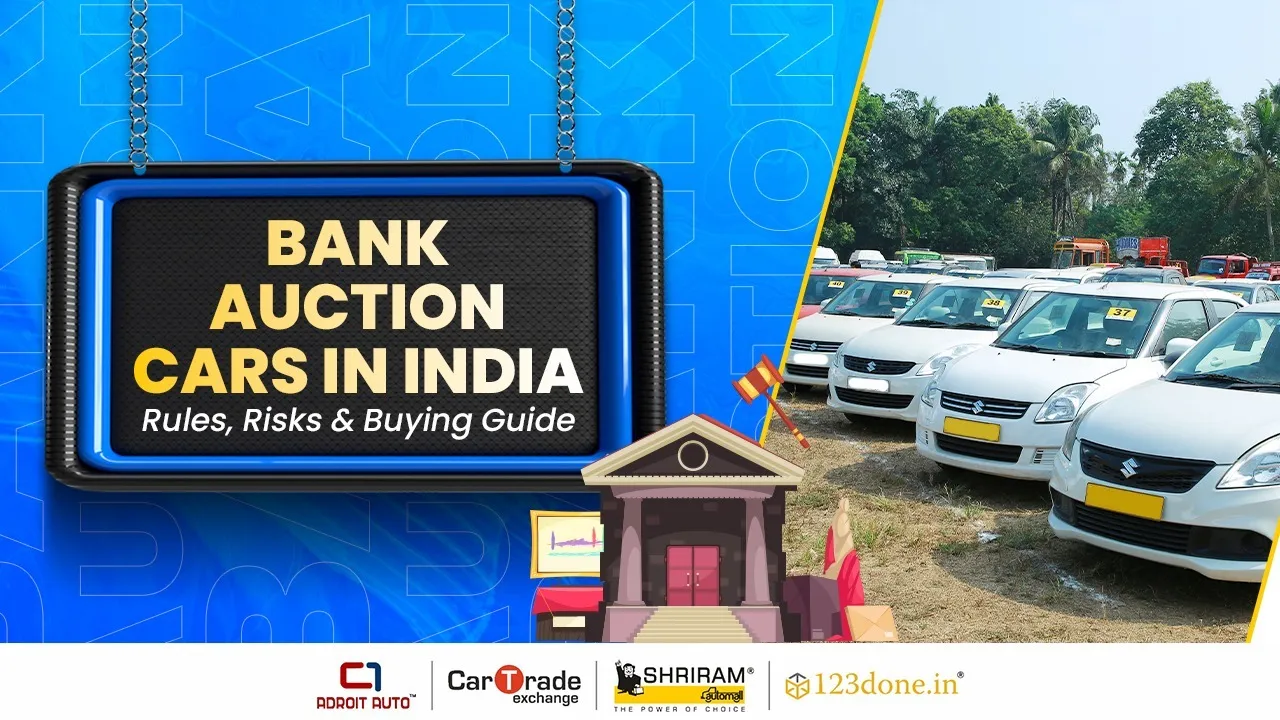
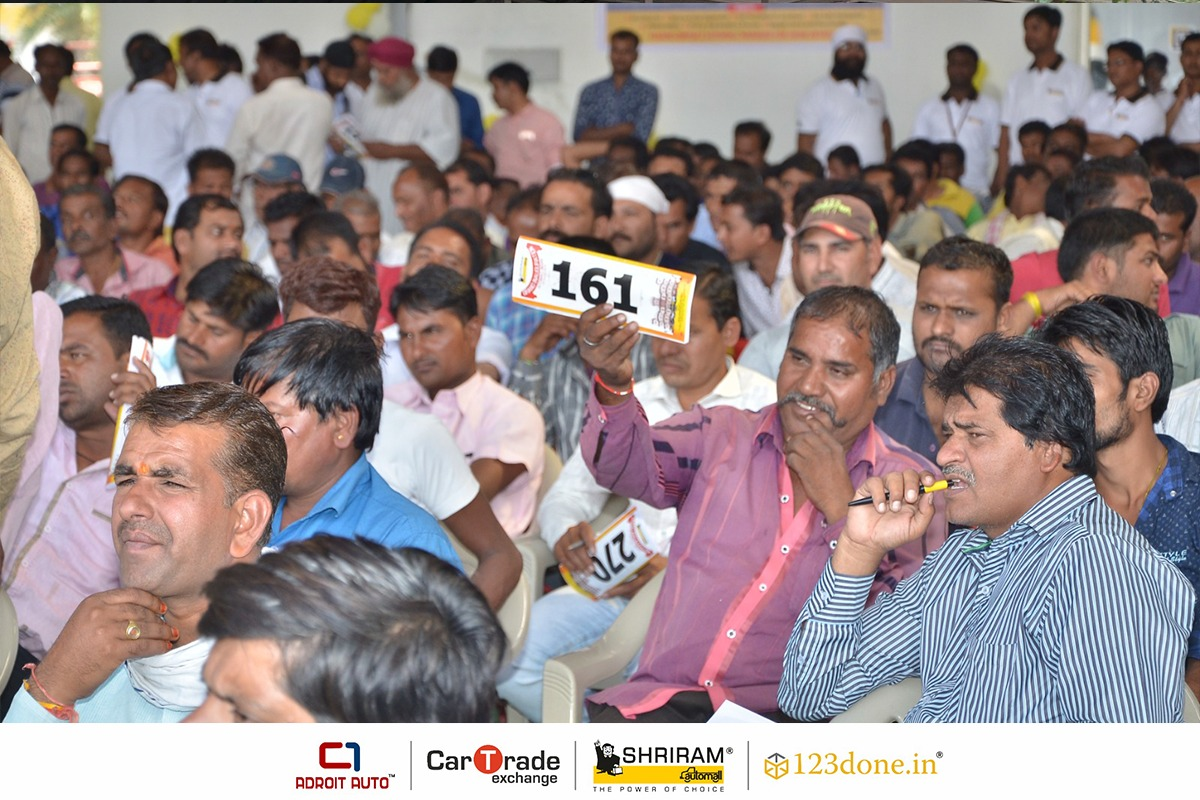
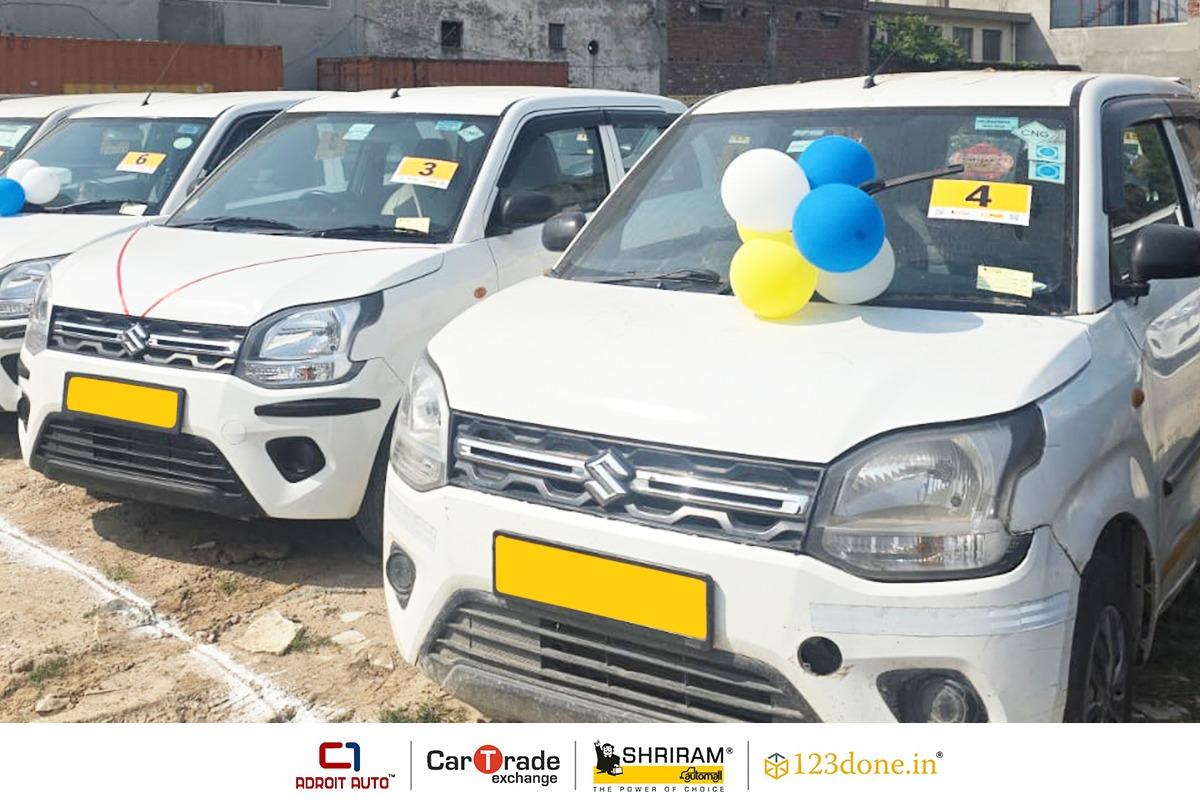
If you are looking for significant savings of upto 60% below the market prices, bank auction cars in India are perfect for you. Bank auction cars are sold in government or government-compliant auctions on an ‘as-is-where-is’ basis. This means that these cars are sold in their current condition with no warranties or guarantees as such, and hence, knowing the rules, risks, and buying guide of bank auction cars in India becomes important. Though these cars are very affordable, it makes them more prone to risks. So, this buying guide on bank auction cars will tell you about all the rules and risks involved in buying them in India.
What are Bank Auction Cars in India
In India, the repossessed cars by banks from loan defaulters are sold in auctions to the general public. The banks seize cars and conduct online and offline auctions to sell these cars to recover the dues of the car; these cars are known as bank auction cars. These cars are sold in a hurry to recover the loan dues as soon as possible at significant discounts of 40-60% below the market prices. But this makes the need for careful inspection more important as they are sold on an ‘as-is-where-is’ basis.
These car auctions are managed by the banks themselves or specialized auction marketplaces like Shriram Automall India Limited (SAMIL).
Working of Bank Car Auctions
Firstly, the banks seize the car if anyone defaults on a car loan. This is done to recover money by selling the car. Banks organize auctions or partner with an auction house like SAMIL to conduct specialized auctions for the sale of the car. Either a physical or online auction is organized, and the car is sold to the highest bidder to recoup the outstanding loan amount. Platforms like SAMIL organize phygital auction, meaning that the buyer can buy the same car either during the physical bidding or via the digital portal.
Why Choose Bank Auction Cars?
Below are some of the key characteristics of why you should choose Bank Auction Cars:
-
The bank auction cars are very cost-efficient and offer prices much lower than normal market rates. These cars are sold on an urgent basis to recover the loan amount.
-
You buy these cars directly from the banks, hence there is no middleman involved. This makes buying bank auction cars a trusted option.
-
Bank auction cars come with necessary paperwork and proper documentation, including RC and transfer papers.
Rules of Buying Bank Auction Cars in India
Rules of buying a bank auction car in India involve registration on an auction platform, paying the security deposit, or EMD, inspecting it if the banks allow, researching the history if you can, and then bidding on it as per your budget. There is no rocket science involved when you go to buy a bank auction car. If you win the bidding, then quickly pay the full amount and verify the paperwork for the transfer of ownership.
Some extra rules to follow when buying bank auction cars in India are:
-
Verify the vehicle condition through inspection reports and service history.
-
Check for legal dues or challans via Parivahan Portal.
-
Adhere to the strict payment deadlines to avoid sale cancellation.
-
Make sure to understand all the terms and conditions of the auction before you participate in the auction to avoid any hidden costs.
Risks of Buying Bank Auction Cars in India
There can be some risks involved when buying bank auction cars in India, which you should always look out for. The risks include hidden mechanical issues, unclear ownership titles, legal implications or dues, unexpected tax or repair costs, price hikes due to intense bidding, etc. Banks sell these cars on an ‘as-is-where-is’ basis, meaning that the bank auction cars come with no guarantees, so a thorough inspection is a must when initiating a purchase.
Some of the other risks involved in buying bank auction cars in India are as follows:
-
Other than repairs, there can be some extra costs involved, like unpaid taxes, insurance premiums, or RTO fees. This gets added to the cost of buying the bank auction car.
-
There is a risk of overpaying if you do not understand the car’s market value. Hence, setting a maximum bid limit is important because bidding can become intense for many.
-
The mechanical faults can be such that you can ignore most of the problems that can cost you a lot in the future. Hence, ensure getting a professional inspection done before you bid on the car.
Buying Guide for Bank Auction Cars in India
For buying bank auction cars in India, the first step is to attend a trusted platform, like SAMIL. Search for your perfect car and research its market value. Then, be sure to set a maximum bid limit so as not to overspend. Get the car inspected and checked before you even decide to take part in the auction. Platforms like Shriram Automall India Limited (SAMIL) organize both online and physical auctions for vehicles, so based on your comfort and availability, either visit the automall or bid online via bids.samil.in or MySAMIL App.
Below is a table for simplifying the process of buying bank auction cars in India. If you still need more information on how to buy a used car in auctions, and you are a first-time buyer, you can read this blog.
|
STAGE
|
WHAT TO DO
|
WHY IT MATTERS
|
|
Before the Auction
|
Research the Auction Platform – Explore trusted auction portals such as bank auctions and authorised platforms. Compare the market price of the vehicle you plan to bid on.
Inspect the Vehicle Thoroughly – Visit the inspection yard, check the engine, body condition, suspension, tyres, and interiors. If possible, take a mechanic along.
Verify All Documents – Check RC details, insurance validity, service history, and any pending loans or legal dues.
Fix Your Budget in Advance – Include repair costs, RTO transfer charges, insurance, and transportation expenses.
Arrange Funds & Register – Complete registration on the auction platform and pay the Earnest Money Deposit (EMD).
|
Helps you avoid overpaying and ensures you’re bidding at a fair value.
Identifies hidden damages and prevents post-purchase surprises.
Ensures the vehicle is legally clear and transferable.
Prevents overspending and last-minute financial stress.
Required to participate in bidding and secure eligibility.
|
|
During the Auction
|
Arrive Early & Stay Alert – Log in or reach the venue early to avoid technical or registration issues.
Bid Smartly – Start with a calculated bid and avoid emotional bidding wars.
|
Gives you time to assess competition and avoid panic bidding.
Helps you stay within budget and make a profitable purchase.
|
|
After Winning the Auction
|
Make Payment on Time – Clear the balance amount within the specified timeline, usually 7–15 days.
Complete Documentation – Collect the invoice, NOC, Form 35, and other required papers from the seller.
Transfer Ownership – Get the RC transferred to your name through the RTO.
|
Delays can lead to penalties or cancellation.
Essential for ownership transfer.
Final legal step to become the rightful owner.
|
Conclusion
Buying bank auction cars in India comes with its own risks and rules, but this buying guide will help you take the right path ahead. Buying a bank auction car is a great way to own a vehicle at a very affordable price, given that you understand the buying process clearly. You should check the documents, inspect the vehicle, choose the best auction platform, and set your budget according to the market value. Every step is essential since the bank auction cars are sold on an ‘as-is-where-is’ basis. For having a seamless and safe auction experience, choosing Shriram Automall India Limited (SAMIL) is highly recommended. They have verified bank auction car listings, structured online or physical auctions, and documentation support. If you follow this buying guide and the correct process, buying bank auction cars can be a value-for-money decision that saves your money and gives you satisfaction.
Frequently Asked Questions (FAQs)
1. Are bank auction cars safe to buy in India?
Yes, bank auction cars are safe to buy if you properly inspect the vehicle, verify documents, and purchase through a trusted platform like SAMIL. Most risks can be avoided with due diligence.
2. Why are bank auction cars cheaper than market price?
Bank auction cars are sold to recover pending loan amounts, which is why they are priced 40–60% lower than regular market rates.
3. Can I test drive a car before buying it in a bank auction?
In most cases, test drives are not allowed, but buyers can inspect the vehicle physically during the inspection period before the auction.
4. What documents are required after winning a bank auction car?
After winning, you receive documents like the sale invoice, NOC, Form 35, and RC transfer papers, which are required for ownership transfer at the RTO.
 18001024141
 Download Our App