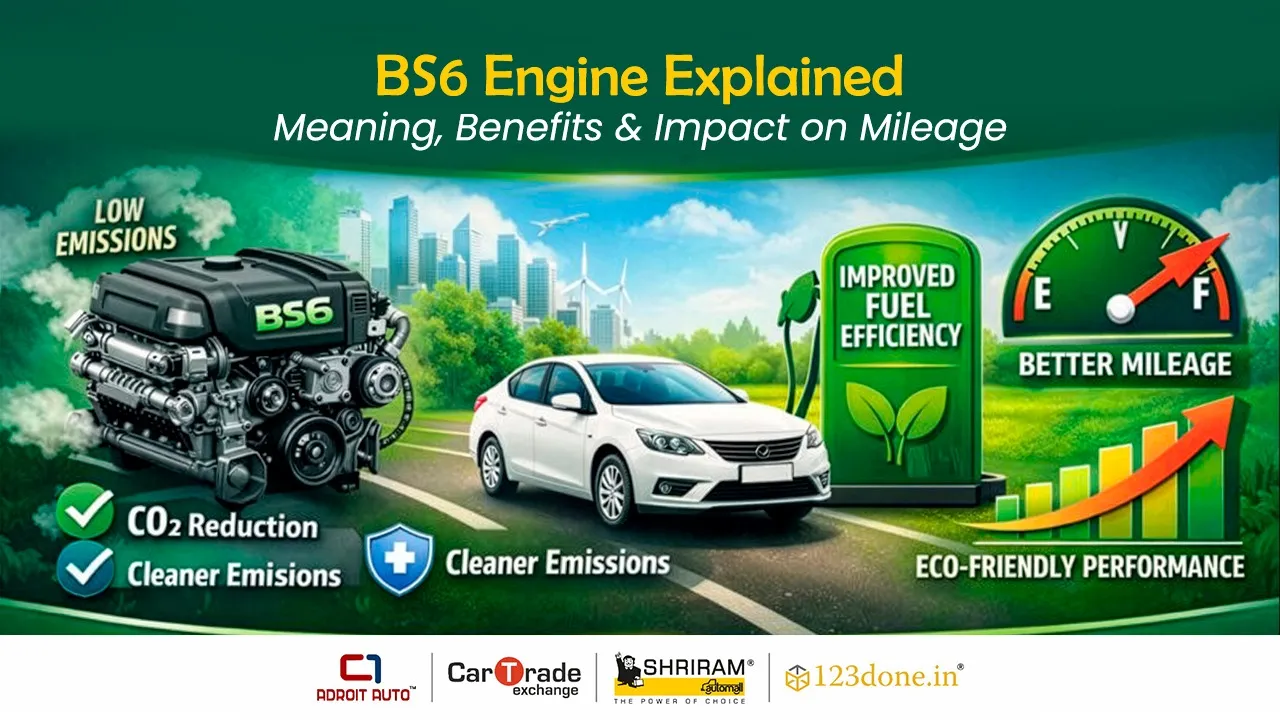
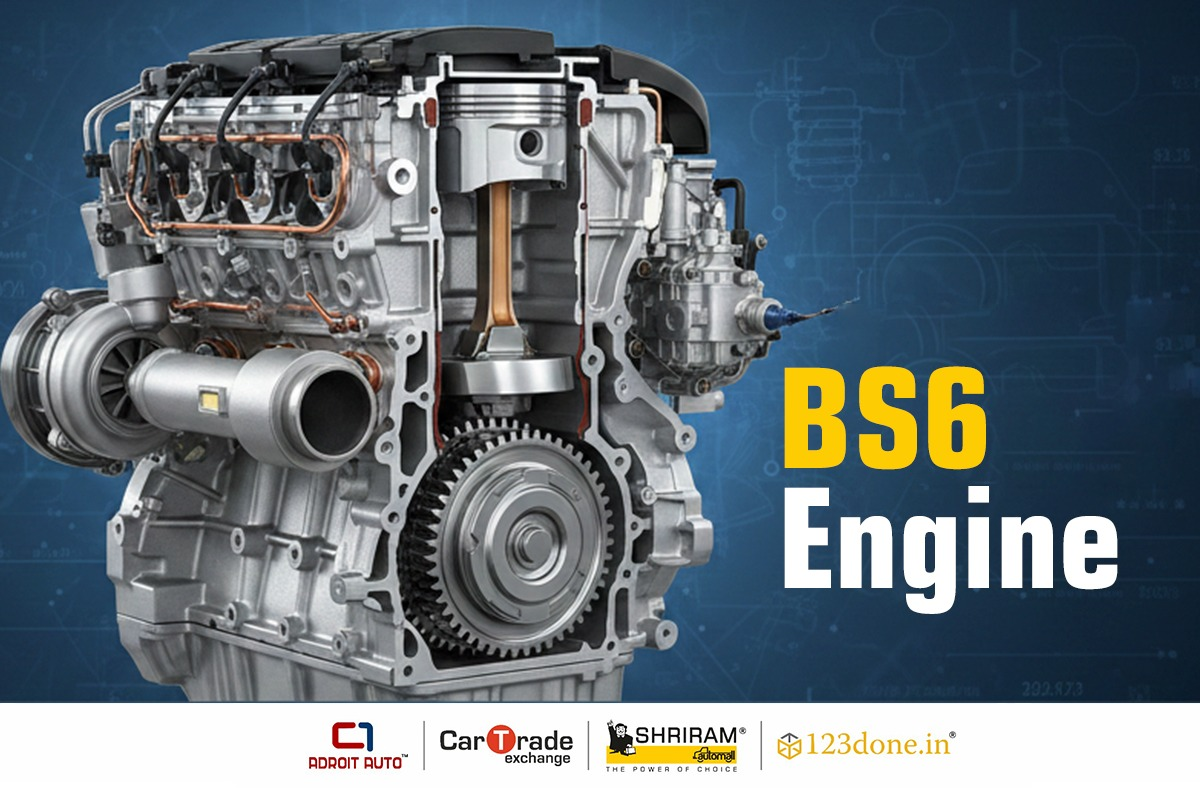
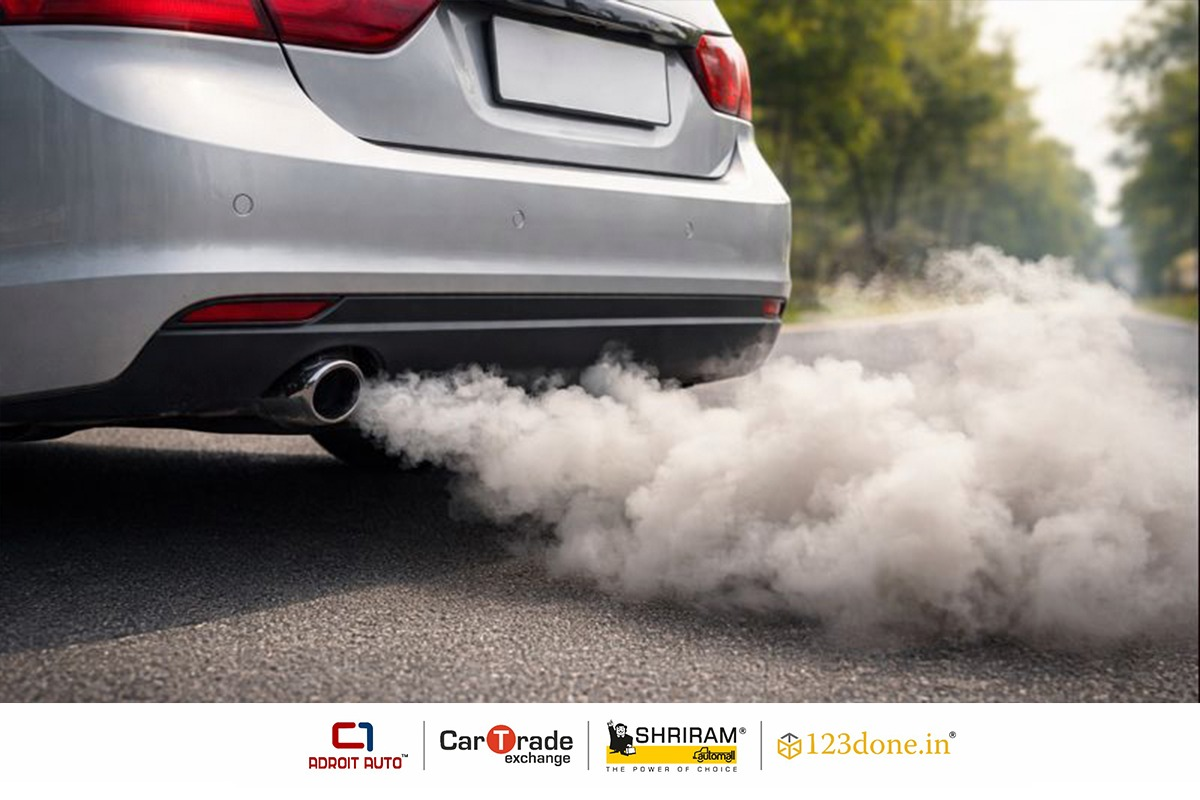
Bharat Stage 6, commonly referred to as BS6, is the sixth iteration of vehicle emission standards established by the Indian Government. From April 1, 2020, all newly manufactured vehicles were required to have a BS6 engine. These engines help lower nitrogen oxide (Nox) and particulate matter (PM) in the air to meet the Global standards of Euro 6. BS6 engines are a step towards a more sustainable future and cleaner air. Although it needs a lot of maintenance and BS6-compliant fuel for proper functioning. These engines offer increased fuel efficiency for petrol vehicles, while a slight reduction in mileage for diesel vehicles due to an extra emission-control mechanism.
BS6 Engine Explained
For reducing the tailpipe emissions, Bharat Stage 6 (BS6) engines are designed with advanced technologies. BS6 engines emit fewer pollutants and are meant for eco-friendly driving for a cleaner environment. The emission norms have become very strict due to the increase in air pollution and deadly AQI levels, especially in Delhi. All the vehicles being manufactured after April 2020 have BS6 fuel-compliant engines, and the Delhi government has restricted the entry of non-BS6 engine vehicles.
BS6 engines run on BS6 fuel, which has lower sulphur content, helping to reduce emissions. The diesel engine comes with a Diesel Particulate Filter (DPF) and a Selective Catalytic Reduction (SCR) for reducing pollution caused by diesel vehicles. BS6 vehicles also have an Onboard Diagnostics (OBD) for tracking the emissions and ensuring efficient engine functions. However, the BS6 vehicles require proper BS6 Engine Maintenance and BS6-compliant fuel.
Working of the BS6 Engine
The purpose of BS6 engines is to make your car greener and safer to drive. Due to such strict emission norms in India, BS6 engine technology has been introduced to reduce pollution; if not, just curb it a bit. The table below will give you a clear idea of how the BS6 engine technology works:
|
Component
|
What It Does
|
Why It Matters
|
|
Selective Catalytic Reduction (SCR)
|
Uses AdBlue fluid sprayed into the exhaust to break harmful nitrogen oxides into harmless nitrogen and water vapour.
|
Cuts down toxic emissions drastically, making diesel engines far cleaner and more eco-friendly.
|
|
Diesel Particulate Filter (DPF)
|
Traps fine soot and black smoke particles before they escape into the air. Periodically burns them off in a process called regeneration.
|
Keeps exhaust clean, reduces visible smoke, and helps the engine run smoother for longer.
|
|
Low-Sulphur Fuel
|
BS6 fuel contains only 10 ppm sulphur, far lower than older fuels.
|
Protects the SCR and DPF systems, improves performance, and reduces overall pollution.
|
Benefits of the BS6 Engine
Apart from helping with cleaner air and eco-friendly technology, the BS6 engine comes with some important additional benefits. The benefits of the BS6 engine are mentioned below:
Reduction of Emissions
The Nitrogen Oxide (Nox) emission in BS6 engines is reduced by nearly 70% in diesel vehicles and 25% in petrol vehicles. The Particulate Matter (PM) emission is also reduced significantly by 80%.
Cleaner Environment
The environment has become cleaner due to the reduction in the levels of PM2.5 and PM10. This has led to better air quality in urban areas.
Increased Fuel Efficiency
The BS6 vehicles come with advanced combustion technology, which often leads to 5-8% better fuel efficiency. The engines are thought to decrease mileage, but in contrast, they are fuel-efficient.
Better Performance
The BS6 engines are known to perform better due to advanced fuel injection and refined components of the engine. The enhanced performance of the BS6 engine offers smoother acceleration and better delivery of power.
Enhanced Engine Life
The BS6 fuel reduces the engine wear and tear effectively while also removing sludge formation inside the components.
Impact of BS6 on Mileage
As per the fuel-type, the mileage and performance of B6 vehicles slightly vary. Let us look at how the vehicles perform based on their fuel-type:
BS6 Petrol Vehicles
The mileage of petrol vehicles is slightly better or similar to fuel efficiency due to improved fuel injection and combustion efficiency.
BS6 Diesel Vehicles
The diesel engines, however, notice a drop in mileage due to the complex components and exhaust systems. The drop is unnoticeable, but it happens because of the backpressure created by DPF or SCR. Although the overall environmental and performance benefits of the BS6 engine are considered to be good for the vehicle.
Maintenance of BS6 Engine
Maintaining BS6 engines is a very big deal, and skipping it can lead to expensive breakdowns of the vehicles. The maintenance process includes using the BS6-compliant fuel only, unclogging the Diesel Particulate Filter (DPF) regularly, AdBlue top-ups, regular servicing, etc. Proper maintenance of the BS6 engine will keep your rides smooth and emission-free without worrying about any unexpected bills.
The BS6 engines provide cleaner emissions, but only with proper care and timely maintenance. For having an efficient ride every day, be sure not take fuel quality, DPF health pr AdBlue levels for granted and get regular check-ups done.
Upgrading to a BS6 Vehicle?
The vehicles manufactured before April 2020 in India still have the old engines. The table below will help you decide whether you should switch to a BS6 vehicle or not:
|
Aspect
|
What It Means for You
|
|
Cleaner Emissions
|
BS6 vehicles release far fewer harmful gases, helping reduce air pollution and making the air healthier to breathe. A big win for the environment.
|
|
Future-Ready Compliance
|
Since BS6 follows strict emission norms, you won’t have to worry about future bans or restrictions on older vehicles.
|
|
Advanced Technology
|
Features like SCR and DPF help control emissions better and improve overall engine efficiency.
|
|
Higher Purchase Cost
|
BS6 vehicles are slightly more expensive due to advanced emission-control systems and newer technology.
|
|
Maintenance Needs
|
Regular servicing, proper fuel, and AdBlue refills are important to keep the engine running smoothly.
|
|
Fuel Quality Sensitivity
|
BS6 engines require low-sulphur BS6 fuel. Using poor-quality fuel can affect performance and engine life.
|
|
Impact on Older BS4 Vehicles
|
Older BS4 vehicles may face resale challenges or usage restrictions in some cities.
|
|
Environmental Impact
|
Compared to BS4, BS6 vehicles significantly reduce pollution and support cleaner, greener mobility.
|
Conclusion
The BS6 engine is truly a major step forward in our journey towards cleaner mobility and lower emissions. These engines significantly reduce pollution with the use of advanced technologies like SCR, DPF, low-sulphur BS6 fuel, and onboard diagnostics while also improving the performance of the engine. The BS6 engine needs proper care and maintenance with timely servicing and using the right fuel for long-term benefits. With proper care, a BS6 engine not only meets emission norms but also delivers reliable performance and peace of mind on every drive.
Frequently Asked Questions (FAQs)
1. Is BS6 better than BS4 engines?
Yes, BS6 engines are much cleaner and more advanced than BS4. They reduce harmful emissions significantly and follow stricter environmental norms, making them better for both health and the environment.
2. Does a BS6 engine give less mileage?
BS6 petrol vehicles usually offer similar or slightly better mileage, while diesel vehicles may see a minor drop due to emission-control systems like DPF and SCR. However, the difference is minimal in daily use.
3. Can BS6 vehicles run on non-BS6 fuel?
No, BS6 vehicles should only be used with BS6-compliant low-sulphur fuel. Using non-BS6 fuel can damage the engine and emission systems over time.
4. Is BS6 maintenance expensive?
BS6 vehicles may have slightly higher maintenance costs due to advanced technology and AdBlue usage, but regular servicing helps avoid major expenses and keeps the engine running efficiently.
 18001024141
 Download Our App