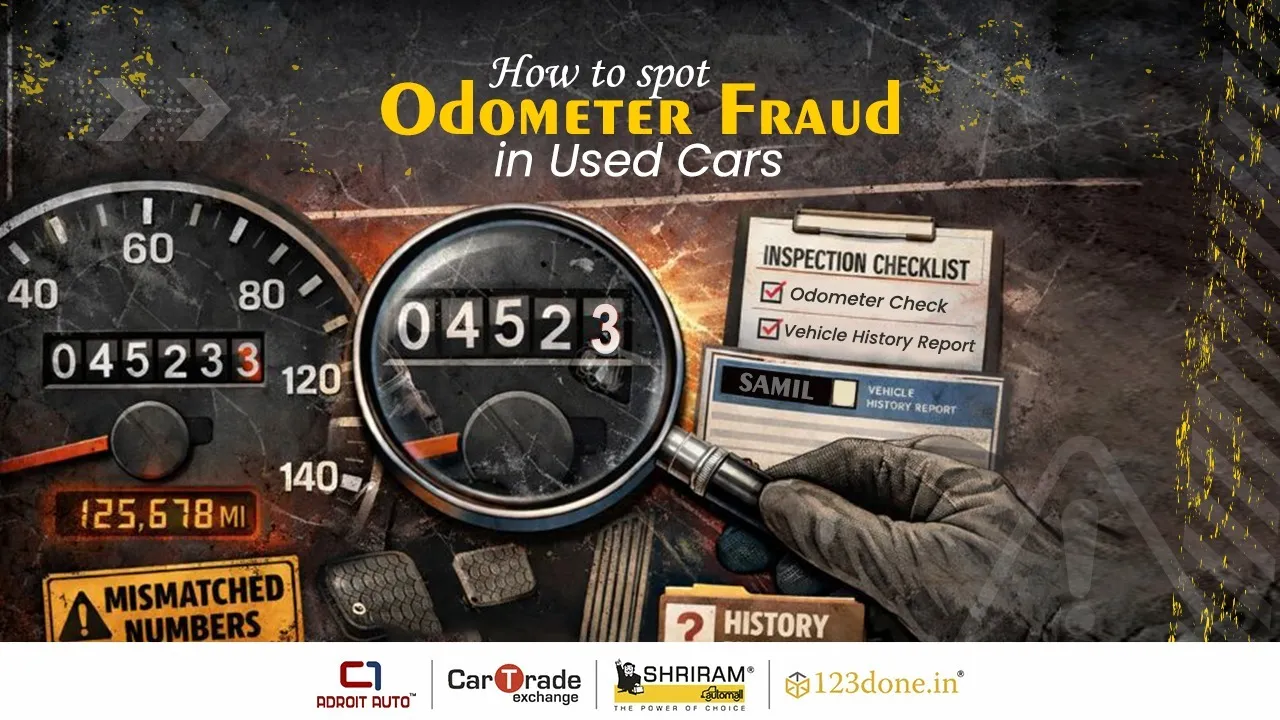
To spot odometer fraud in used cars, you should compare the displayed mileage against the documentation and physical condition of the car. Spotting a discrepancy in the odometer might be tough and confusing, but there are some clear indications of fraud. Some of the things that you can look for are inconsistent service records, excessive wear on the pedals or steering wheel, worn-out tires, and physical tampering signs on the dashboard. You should be vigilant about checking the VIN history and getting an OBD scan done before buying used cars.
What is an Odometer
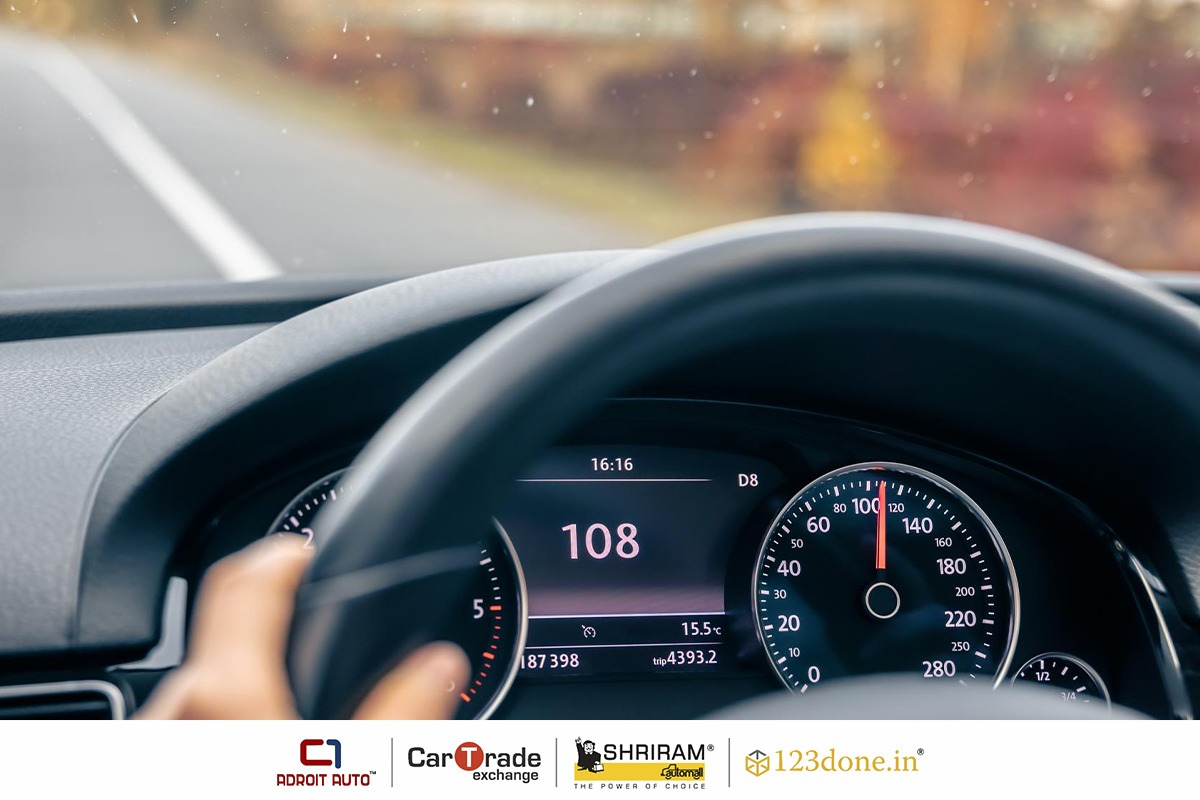
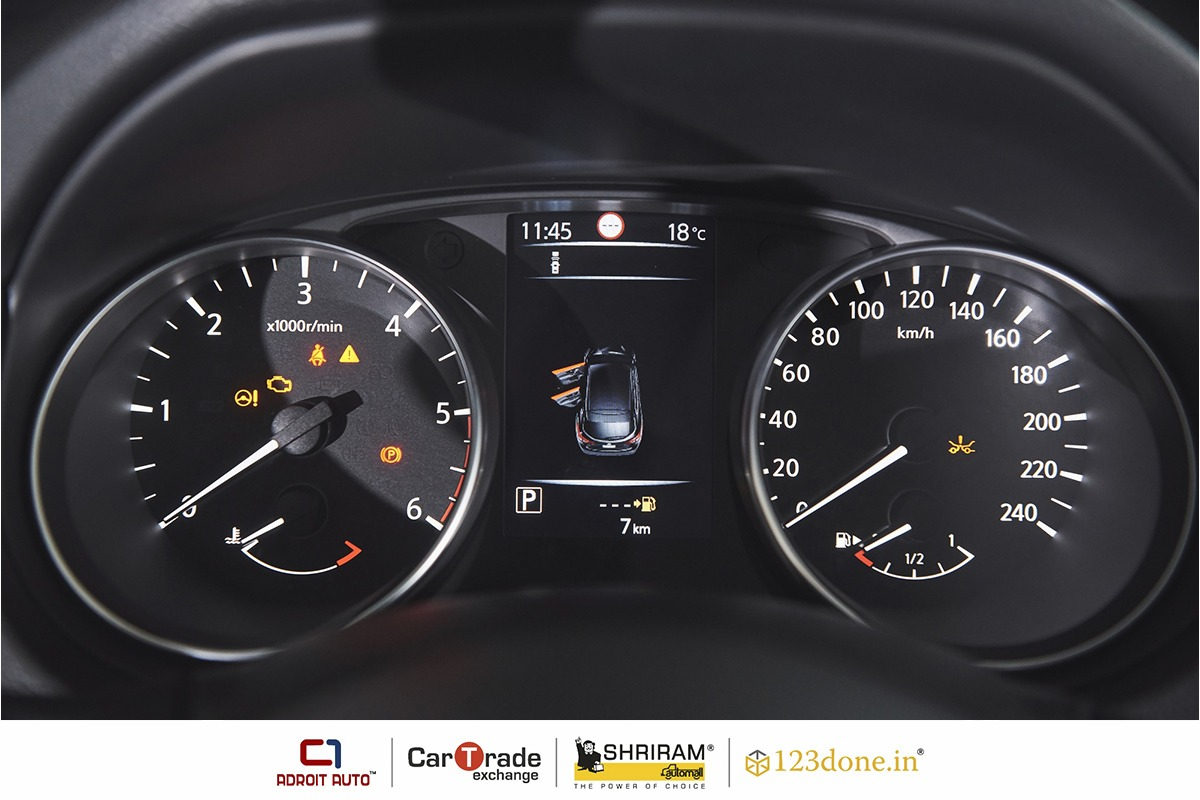
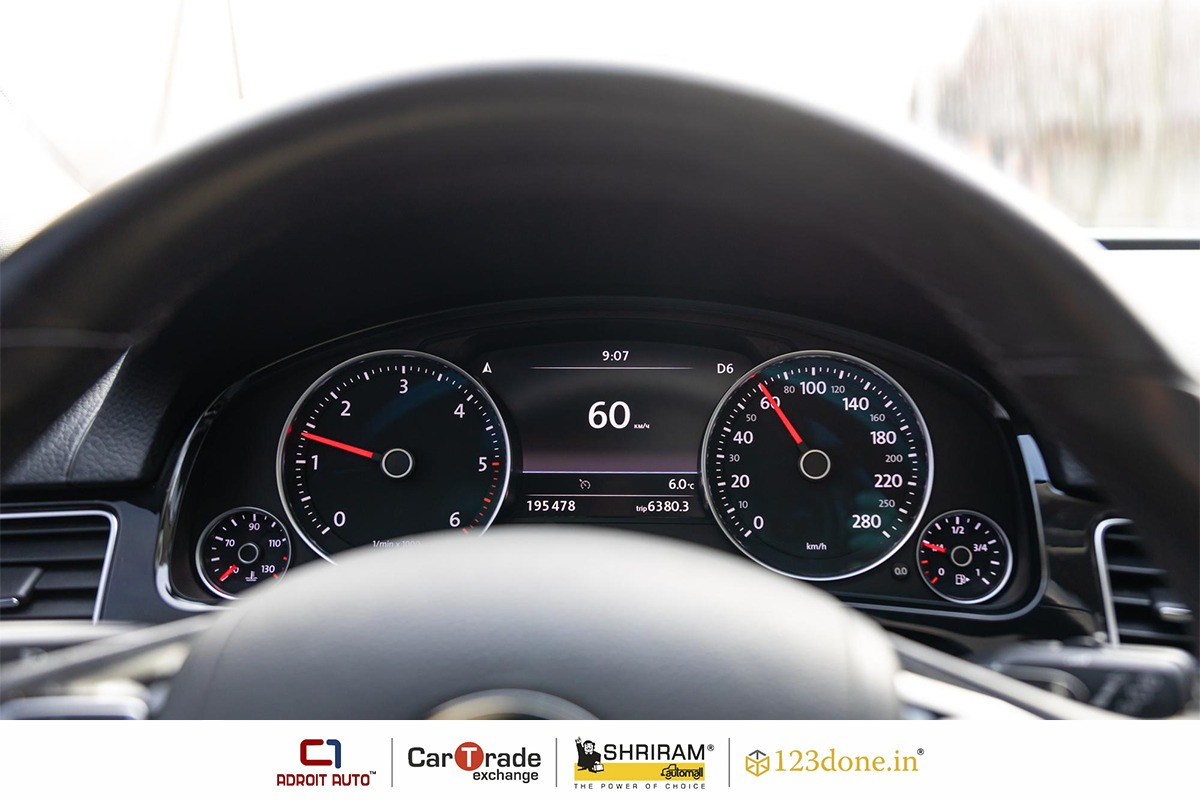
An odometer is a device in vehicles that displays the total distance travelled by that vehicle. It actively calculates the kilometres driven by the vehicle. The odometer operates both mechanically and electronically, counting the rotations of the wheel to calculate the vehicle's mileage. The odometer is crucial for the vehicle's maintenance and resale value.
The odometer is meant to record the entire distance that a vehicle travels.
What is an Odometer Fraud
If someone tampers and meddles with the odometer of the car for better resale value, it is known as odometer fraud. It happens when someone resets or changes the vehicle’s documentation and odometer readings to reduce the mileage of the car. It helps people know about the impending repairs the car needs based on its condition, but a fraud like this can lead to additional risks and damage. Certain things need to be checked and repaired in a car every 10,000+ kms, which can get delayed or missed because of tampering with the odometer’s reading.
Types & Working of the Odometer
There are two types of odometers on the market nowadays. One is the mechanical one, which is there in older vehicles, and the other ones are the electronic odometers present in modern vehicles.
Let us look at the working of both the odometers:
1. Mechanical Odometers
The mechanical odometers are connected through a gear in the transmission with a flexible drive cable. As the vehicle moves, the cable spins due to the rotation of the wheels. This helps in the rotation of gears connected to numbered drums. Each drum or digit, as we can say, advances one digit for every 10 rotations of the previous digit, showing the total distance travelled. The mechanical odometers are present in old vehicles.
2. Electronic Odometers
The electronic odometers have magnetic or optical sensors near the wheel or transmission of the vehicle that count the pulses. These pulses are sent to the ECU of the vehicle
(onboard computer) as electronic signals. The computer uses the circumference of the wheel and translates these pulses into the distance covered. The calculated mileage is also shown on the digital screen with some additional features.
How to Spot Odometer Frauds in Used Cars
You can check for several discrepancies between the reading of the odometer and the actual condition of the used car. Half of the story is right there; look for worn-out pedals, seats, steering wheel, etc. Another way to spot odometer fraud in used cars is to look for the old car’s service records for consistent mileage, inspection of wear on pedals and steering wheels, and one more way for spotting the fraud is by verifying the VIN. Many times, physical tampering can also be seen on the dashboard.
Follow these steps to protect yourself from odometer fraud in used cars:
-
Be sure to get the vehicle’s history report and get it checked for inconsistent mileage entries.
-
Request a pre-purchase vehicle inspection and take a trusted mechanic for a professional inspection.
-
Perform an OBD scan to reveal if the engine (ECU) has different mileage recorded than the odometer display.
-
Check if the old cars have changed owners frequently, as it indicates fraud.
Indicators of Odometer Rollback in Used Cars
Let us look at some of the most common indicators of odometer fraud in used cars:
Mileage vs Physical Wear
Extreme wear on the brake pedals, accelerator, clutch pedals, or steering wheel of the pre-owned car suggests high mileage, no matter what the odometer says.
Inspection of Dashboard
Check for any scratches or scuff marks, along with any missing screws, as this indicates that the odometer was reset manually.
Different Digits
If you find odd-looking digits on the analog odometer, like any crooked numbers or gaps between them, then there has been some tampering done with the meter of the old car.
Very Low Mileage
A car that is relatively old with extremely low mileage should be very carefully verified, as it can be too good to be true.
Age of the Tire
If the mileage of the old car is showing as low, then it must have its old tires. New tyres on a low-mileage car may indicate that it is actually driven much further than it is showing.
Title and Service Records
The mileage on the current title must be compared with the service records and oil change stickers on the odometer. A reading that is lower than the record is a sign of fraud.
Conclusion
Odometer fraud in used cars is a serious issue that can lead to unexpected repairs, financial loss, and even serious safety risks. Understanding the meaning of odometer fraud and how it works can save you from financial losses. Knowing about the common signs of tampering can help the buyers of used cars make informed decisions and not fall victim to mileage manipulation. From checking service records and VIN history to inspecting physical wear, dashboard condition, and tyre age, every small detail plays a crucial role in spotting odometer fraud.
By following the tips given in the blog, you can ensure a safe purchase with better resale value.
Frequently Asked Questions (FAQs)
1. How can I check if a car’s odometer is tampered with?
Compare the mileage with service records, check wear on pedals and steering, and run an OBD scan to spot mismatches.
2. Is odometer fraud common in used cars?
Yes, it’s fairly common, especially in older or high-mileage vehicles sold without proper records.
3. Can an OBD scan detect odometer fraud?
Yes, an OBD scan can reveal mileage stored in the ECU, which may differ from the dashboard reading.
4. What should I do if I suspect odometer fraud?
Avoid buying the car, verify its history, and get a professional inspection before proceeding.
 18001024141
 Download Our App