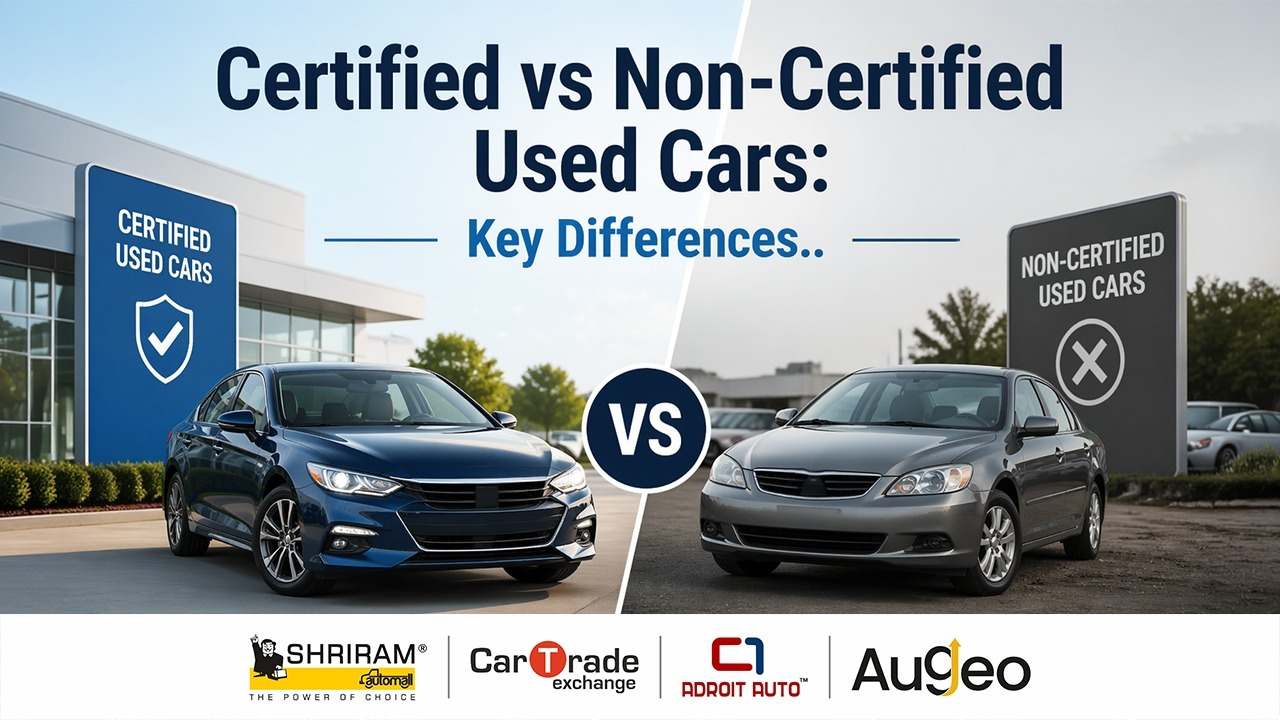
Buying certified or non-certified used cars can be a tricky choice amidst all the other big questions of the cars make, model, condition, age, etc. Knowing the key differences between the certified and non-certified cars can help you make an informed decision. Purchasing a used car in itself is similar to stepping foot in unknown territory, but when you know your way through it, everything gets easy. So, lets get into certified vs non0certified used cars. This blog will tell you the key differences between the two.
What is a Certified Used Car
A certified used car or CPO is basically a pre-owned vehicle that has been thoroughly inspected, refurbished if needed, and approved for sale under a specific resale certification program. The certification can be done by the original manufacturer of the used car or by the dealership that is selling the car. There is a set of criteria that the car needs to meet in order to get certified. The certification, in conclusion, makes the used car fit for resale and is hence marked certified.
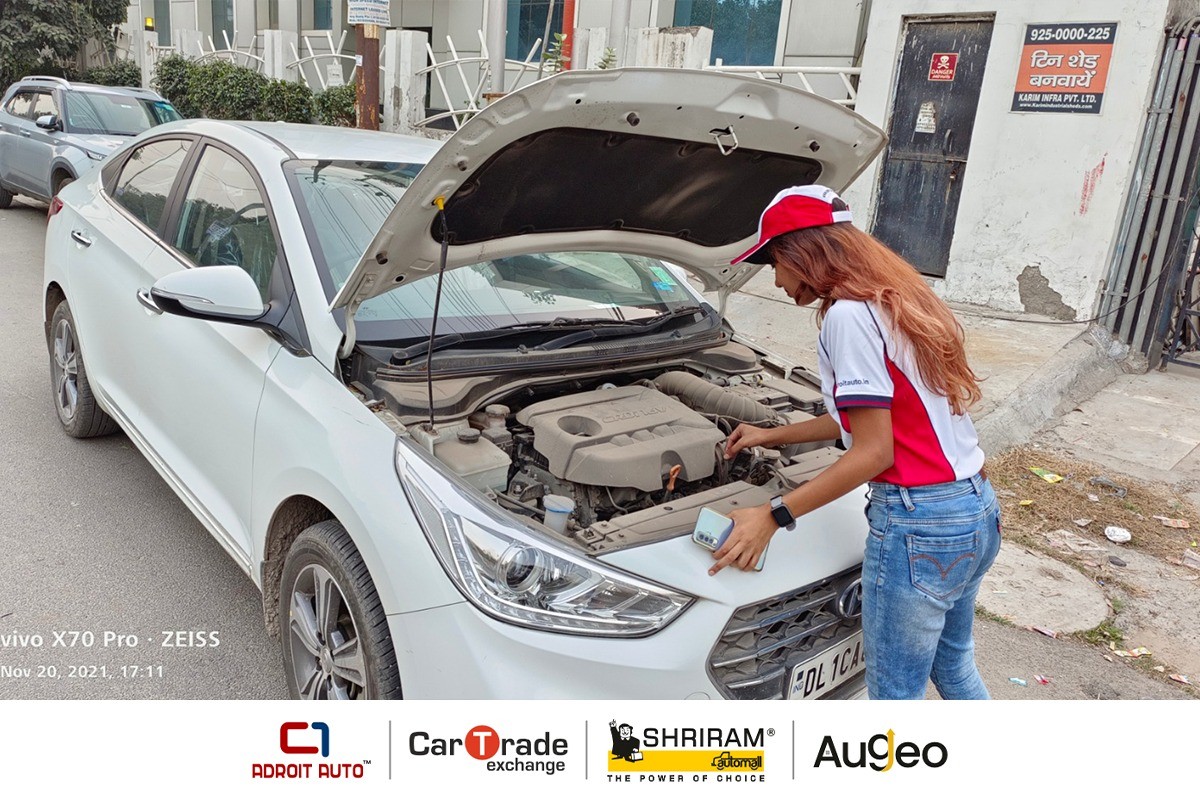
How Certified Pre-Owned Cars Qualify and Get Approved
Let us look at the criteria of certified pre-owned cars with their approval process and eligibility:
- The manufacturers mostly accept pre-owned cars under the age limit of 5-6 years.
- For eligibility, the preferred mileage of the used car must be between 60,000 and 80,000 miles.
- Used cars must have a clean title without any major accidental history or structural damage.
- To get the certification, the used cars have to go under a comprehensive inspection covering 125-180 checkpoints.
- The inspection includes engine performance, transmission health, suspension, tyre condition, and brakes.
- Careful evaluation of the cars interiors, electronics, and overall functionality is done.
- When the pre-owned car passes every inspection standard, it is granted the certification.
What is a Non-Certified Used Car
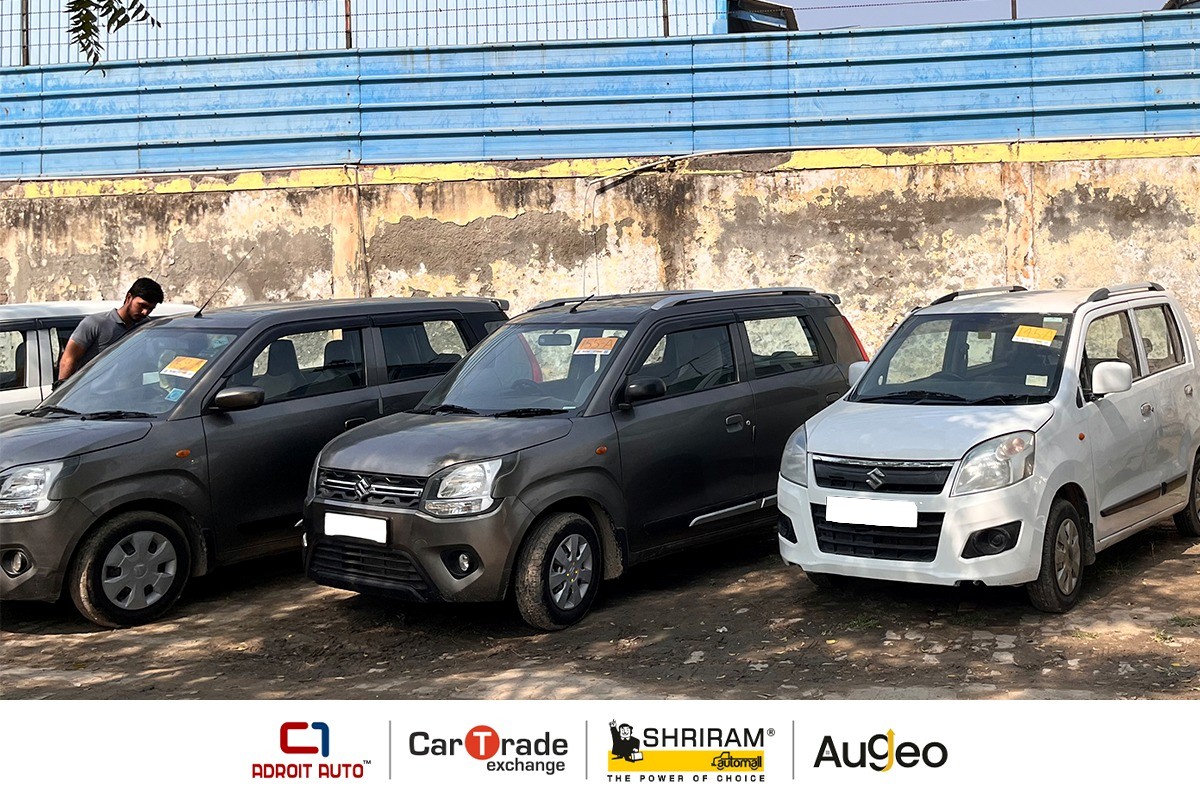
By a non-certified used car, or NPO, I basically mean a pre-owned car that has not undergone any formal certification process and is deemed uncertified. Unlike certified used cars, these may be inspected by vendors or mechanics without meeting the same criteria. Non-certified used cars do not undergo a thorough inspection, making them a rather unsafe purchase. Non-licensed or uncertified cars may have hidden issues and, hence, are considered high-risk purchases.
What Defines a Non-Certified Used Car and How It Is Sold
Let us understand what non-certified used cars are and how they are typically offered in the market:
- A non-certified used car is any pre-owned vehicle that has not undergone an official certification process.
- These vehicles are commonly sold through independent used car dealers or directly by private sellers.
- Even authorised dealerships may sell such cars if they do not meet certification standards due to age, mileage, or overall condition.
- There is no fixed checklist or mandatory inspection process required before these cars are put up for sale.
- Some sellers may carry out basic safety checks, but this is not standardised or guaranteed.
- In certain cases, dealers may offer an optional extended service plan for added assurance.
- Many non-certified used cars are sold without any warranty or formal inspection.
- Such sales are often labelled as as-is, meaning the buyer takes full responsibility for the vehicle after purchase.
Difference Between Certified & Non-Certified Pre-Owned Cars
Let us learn the differences between a certified and a non-certified used car based on the inspection process that they go through.
Thorough Inspection Process
Certified used cars undergo a rigorous, comprehensive inspection process that covers numerous components of the car. Everything, including the engine, suspension, brakes, tires, and interior, is checked individually. Whereas the non-certified used cars dont go under any formal certification process. A fundamental inspection of the non-certified used cars happens, but it is not as great and thorough as the certified ones. The certified pre-owned cars go through a hundred to a hundred and fifty-point inspection, depending on the requirements and standards of the producer.
Warranty Support
A guaranteed insurance is provided when you buy a certified used car, whereas this isnt the case with a non-certified used car. You will get a prolonged warranty covering all the mechanical and electrical repairs in a certified pre-owned car. You might get a confined warranty or carrier contract with the purchase of a non-certified pre-owned car, but you are solely responsible for paying for everything, including the repairs.
History Report
The upkeep information, including a detailed car record containing past possession history, coincidence history, service records, etc are provided when you purchase a certified used car. The certification process isnt completed without all the reports and past vehicle information. Whereas the non-certified used cars may not come with a car history, and even if it comes with one, it might not be accurate. Only third-party-provided history records are accessible, which are not very trustworthy.
Vehicle Condition
Certified used cars are reconditioned and repaired to meet the standards of the manufacturer. Replacement of damaged parts, retouching the interiors, and restoring the elements all come under the inspection process. The non-certified used cars, on the other hand, can be in good shape or may also be damaged. Without a proper vehicle inspection, it is uncertain to claim the damage and repairs needed in the vehicle.
Costing
Certified pre-owned cars come at a greater price than a non-certified pre-owned car, as it goes under thorough inspection, retouching, and guarantee. The non-certified used cars come at a lower price, which can be a good deal for people on a tight budget who are looking for a more affordable alternative. The extra danger that non-certified vehicles come with might prove to be extra costly over time, so it is safe to spend more initially.
Conclusion
Certified vs non-certified used cars comparison, when it comes into question, it reveals that the key lies in balancing cost with confidence. A certified used car or certified pre-owned car goes under thorough inspection, comes with a warranty, has a verified vehicle history, and is in good condition. On the other hand, a non-certified used car or non-certified pre-owned car is more affordable but comes with no formal inspection report, no guarantee, and high risk.
If you want peace of mind and long-term value when buying a used car, certified pre-owned cars are the safer choice. If budget is your priority, a non-certified used car can work, but only with careful checks. In the end, understanding certified vs non-certified used cars helps you make a smart and confident purchase.
 18001024141
 Download Our App