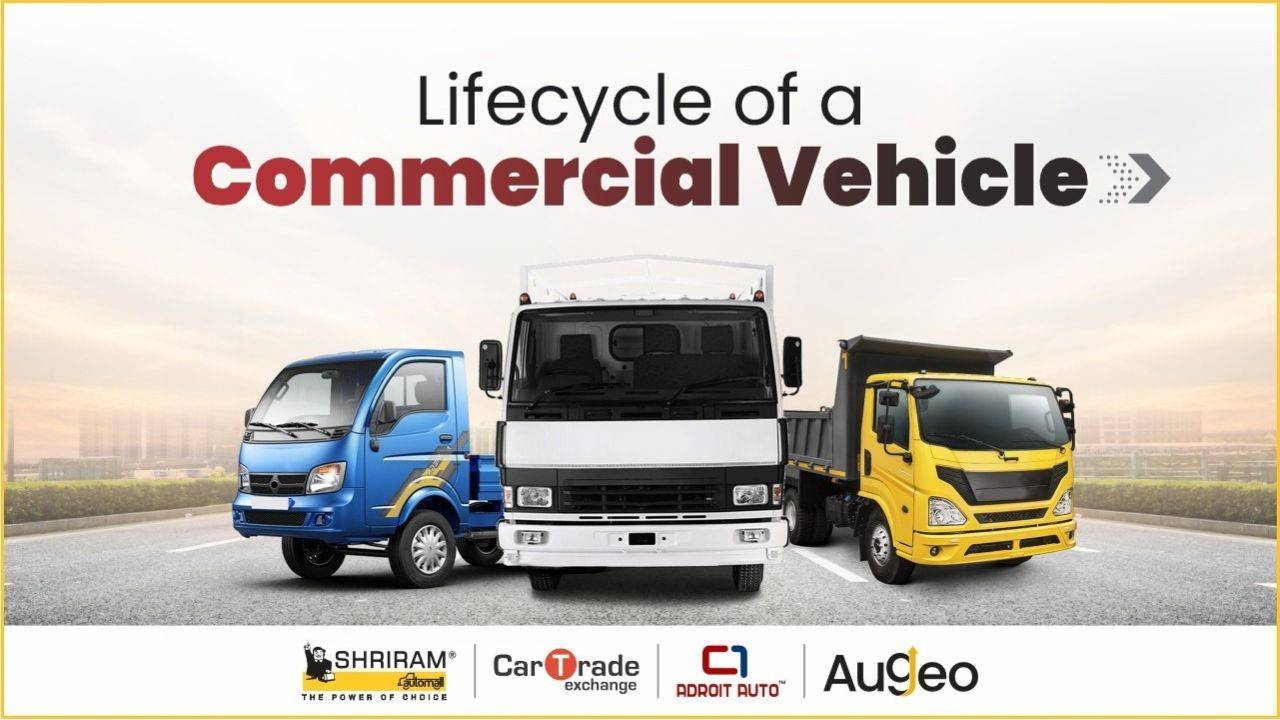
The life cycle of a commercial vehicle is inclusive of the complete journey the vehicle goes through for its management. The lifecycle of a commercial vehicle begins with its acquisition, then it goes through operations, maintenance, and finally replacement, if need be, which ends at disposal. If all the steps of an assets lifecycle are properly executed, there are minimal costly breakdowns, a good resale value, and an increased lifespan for the vehicle.
This blog will help you find out the ways to properly take care of your commercial vehicle. This will, in turn, get you the best value for your used commercial vehicle in the used vehicle marketplace.
What Are Commercial Vehicles
Commercial Vehicles are the vehicles that are registered with a business or are used for income-generating purposes. These vehicles are used for good transportation, like cargo trucks or delivery vans, or for passengers, like buses or taxis. A commercial vehicle is used for business purposes to make money. Commercial vehicles are not used for personal use.
There are very strict safety laws for commercial vehicles. They have to go through frequent inspections and higher insurance premiums. To operate a commercial vehicle, one must have a specialized driving license and permits. All the vehicles registered under a company or a business are commercial vehicles.

Types of Commercial Vehicles
Based on the use, size, weight, and category, commercial vehicles are divided into three types. Let us look at those types briefly:
Passenger Vehicles
The commercial vehicles that get the passengers to pay are passenger vehicles. These vehicles include buses, coaches, airport shuttles, taxis, and rideshare vehicles.
Goods & Cargo Vehicles
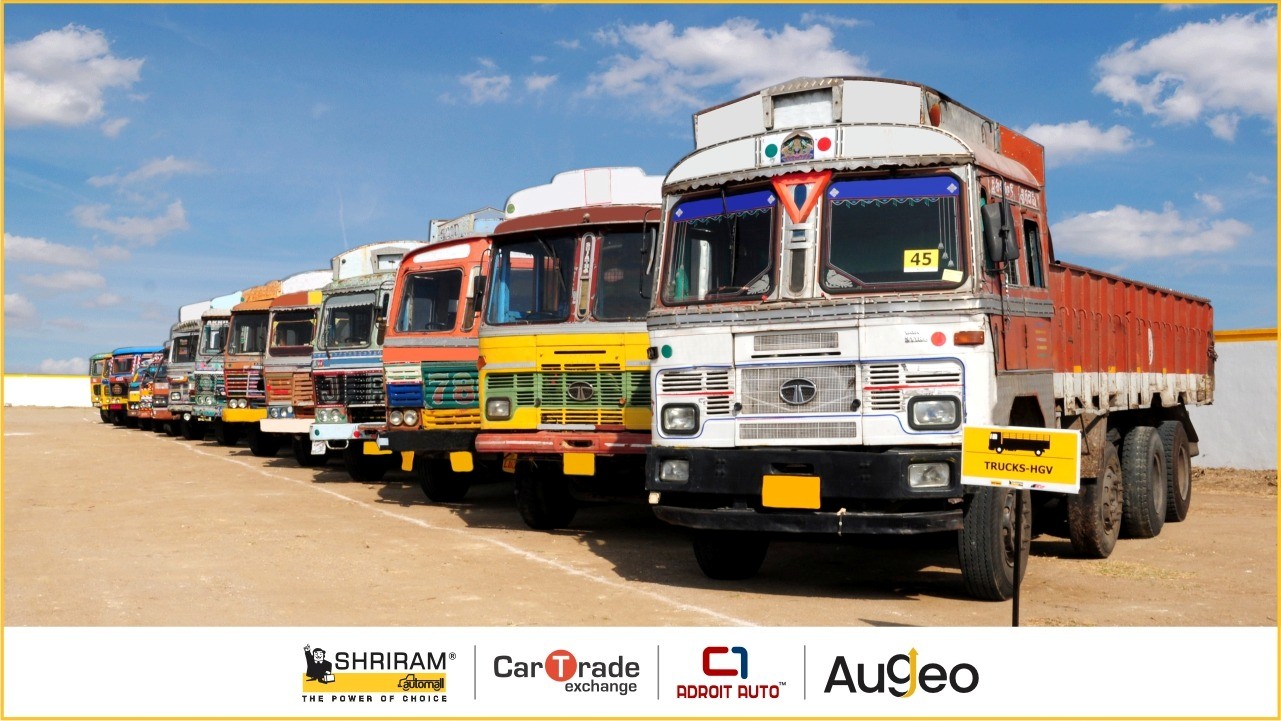
The vehicles are used for the transportation of goods and cargo. They range from light-duty delivery vans and pickup trucks to heavy-duty semi-trucks.
Special Service Vehicles
Special service vehicles are used for specialized services. They include utility trucks, tow trucks, construction vehicles, and service vans.
Lifecycle of Commercial Vehicles
Commercial vehicles go through several phases which makes up their lifecycle. If one has a complete understanding of the lifecycle of a commercial vehicle, then it helps in optimizing the total cost of ownership and maximizing the vehicles uptime.
Hence, let us go through the lifecycle of the commercial vehicle:
Acquisition of Commercial Vehicle
The initial phase of a commercial vehicles lifecycle is its acquisition. Even before the vehicle is bought, its lifecycle starts. This phase begins with selecting the commercial vehicle and evaluating factors like depreciation, fuel efficiency, tax, and probable maintenance costs. Initial setup after vehicle procurement, like telematics, ELD solutions, etc., also comes under the acquisition of commercial vehicles.
Operation of Commercial Vehicle
The next phase of a commercial vehicles lifecycle is its operation. When the vehicle is operated, its utilization tracking takes place, which includes daily mileage, idle time, route efficiency, etc. Then the phase includes making sure that all safety regulations are followed with real-time monitoring and fleet management.
Maintenance of Commercial Vehicle
The next phase of a commercial vehicles lifecycle is maintaining the vehicle for longevity and reliability. Performing routine checks and meeting standard safety measures helps prolong the vehicles lifespan.
Replacement of Commercial Vehicle
The next phase of a commercial vehicles lifecycle is knowing when to replace a vehicle to prevent heavy repair costs. Based on the repair trends, the fleet must be replaced before any major overhauls are required.
Disposal of Commercial Vehicle
The last phase of a commercial vehicles lifecycle is decommissioning it while there is still value in it. Using trusted used vehicle portals like Shriram Automall India Limited (SAMIL) can provide you with profitable asset liquidation. End-of-life commercial vehicles are heavily depreciated vehicles that must be repurposed or scrapped as per the standards.
Conclusion
For improving the performance of commercial vehicles and maximizing returns, understanding the lifecycle of a commercial vehicle is necessary. From the acquisition of commercial vehicles to their operation, maintenance, replacement, and final disposal, every stage plays a crucial role in extending vehicle life and improving efficiency. If you have a passenger vehicle, goods & cargo vehicle, or even a special service vehicle, proper lifecycle management becomes important. This will help reduce downtime and enhance the resale value of the used commercial vehicle.
By taking a strategic approach to the commercial vehicle lifecycle, businesses can ensure better fleet performance, higher operational efficiency, and long-term value from their assets.
Frequently Asked Questions (FAQs)
1. What is the lifecycle of a commercial vehicle?
The lifecycle of a commercial vehicle includes acquisition, operation, maintenance, replacement, and disposal.
2. What are the different types of commercial vehicles?
Commercial vehicles are mainly classified as passenger vehicles, goods and cargo vehicles, and special service vehicles.
3. Why is commercial vehicle maintenance important?
Regular maintenance improves safety, reduces breakdowns, extends vehicle lifespan, and lowers operating costs.
4. Where can I sell used commercial vehicles?
Used commercial vehicles can be sold through trusted platforms like Shriram Automall India Limited (SAMIL) for efficient asset liquidation and better resale value.
 18001024141
 Download Our App